
-
Field of application
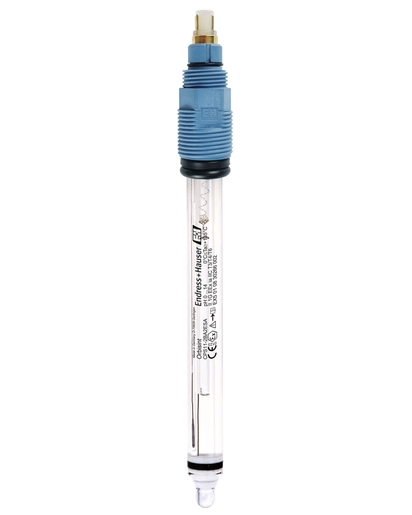
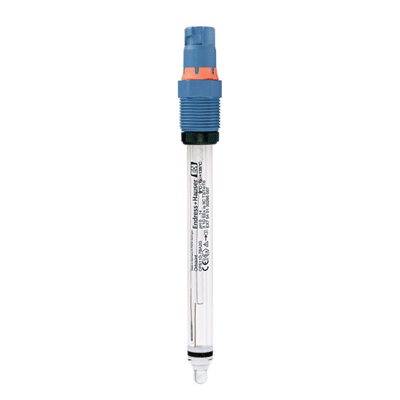
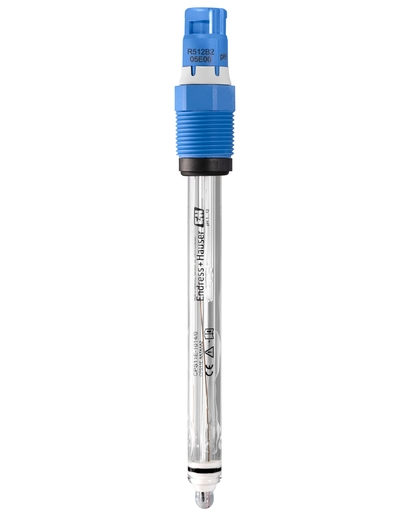
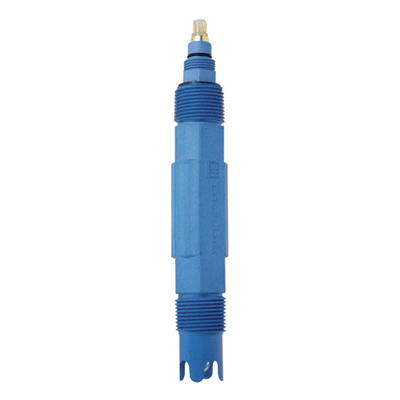
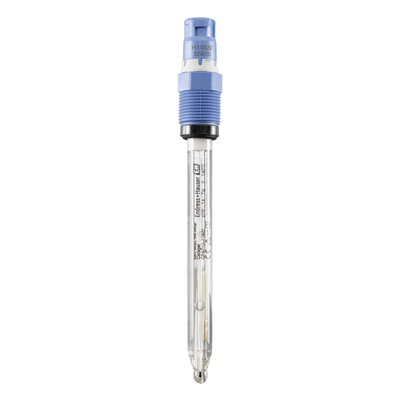
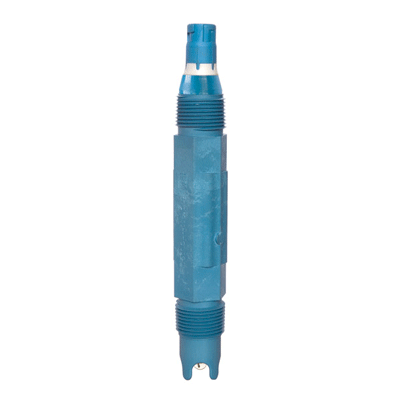
Orbisint CPS11 is the all-rounder for pH measurement in process and environmental applications. It performs reliably and accurately even in highly alkaline media or hazardous areas. Designed for low maintenance and a long operating life, the sensor offers you best value for money.
Long-term monitoring and limit monitoring of processes with stable process conditions:
- Chemical industry
- Pulp & paper industry
- Power plants (e.g. flue gas washers, boiler feed water)
- Incineration plants
Water treatment:
- Drinking water
- Cooling water
- Well water
With ATEX, FM, CSA approval for use in hazardous areas.Benefits
Robust electrode with long poison diffusion path, requires low maintenance due to large, dirt-repellent PTFE ring diaphragm
Suitable for harsh applications: Process glass for highly alkaline media and pressure-stable up to 16 bar (232 psi)
Optional salt ring for low conductivity applications such as boiler feed water and water for injectionpH:
Measuring Principle Potentiometric Application Standard applications in process and the environment. Long-term monitoring, processes with little change. Characteristic Very robust, heavy-duty version / high pressure, integrated potential matching, flat membrane available. Measuring range pH 0-14 Measuring principle Gel compact electrode with PTFE ring-diaphragm. Design - all shaft lengths with temperature sensor
- advanced gel technology.
- With dirt-repellent PTFE diaphragm.Material Glass / PTFE Dimension Diameter: 12 mm (0.46 inch) shaft length: 120, 225, 360 and 425 mm
(4.68, 8.77, 14.04 and 16,57 inch)Process temperature max. 135°C (274°F) Process pressure max. 16 bar (230 psi) Temperature sensor optional with integrated Pt100 or Pt1000 Ex certification Simple operational equipment, no certification necessary. Connection TOP68 connection head Ingress protection IP 68 Additional certifications Biocompatibility validated acc. to ISO 10993-5 USP (current version).
TÜV certificate for pressure resistance 16 bar, min. triple overpressure safety.