1. Overview of E+H Turbidity and Suspended Solids Concentration Analyzers
E+H (Endress+Hauser) turbidity and suspended solids concentration analyzers are widely used in online monitoring in industries such as drinking water, wastewater treatment, chemical, and papermaking. Their core value lies in reflecting the solid particle content in water in real time, providing data support for process control and discharge compliance.
This training material is organized around measurement principles, selection, installation, calibration, and maintenance, and is suitable for systematic learning by engineering technicians and procurement personnel.
2. Measurement Principles and Technical Classification
2.1 Turbidity Measurement Principles
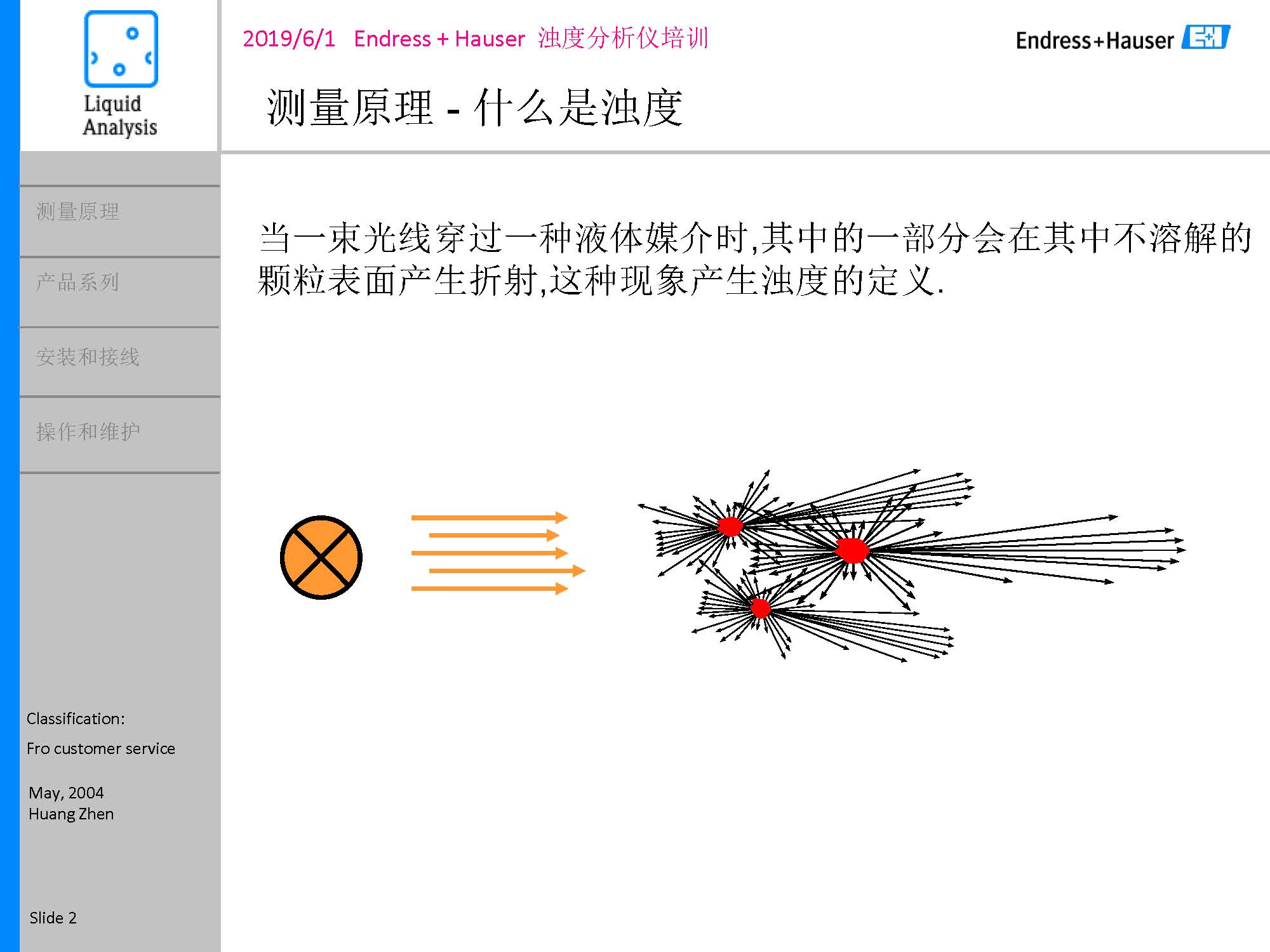
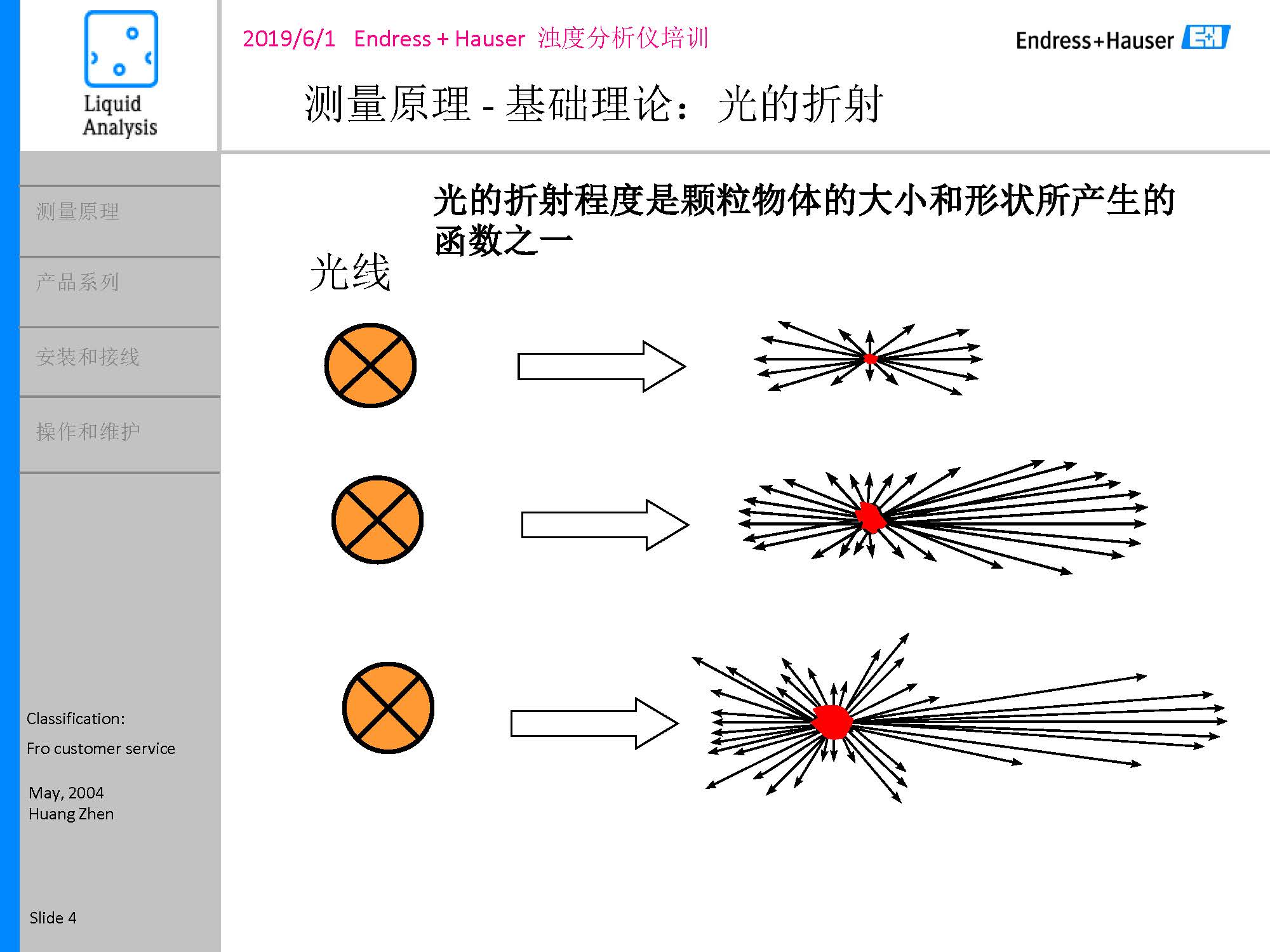
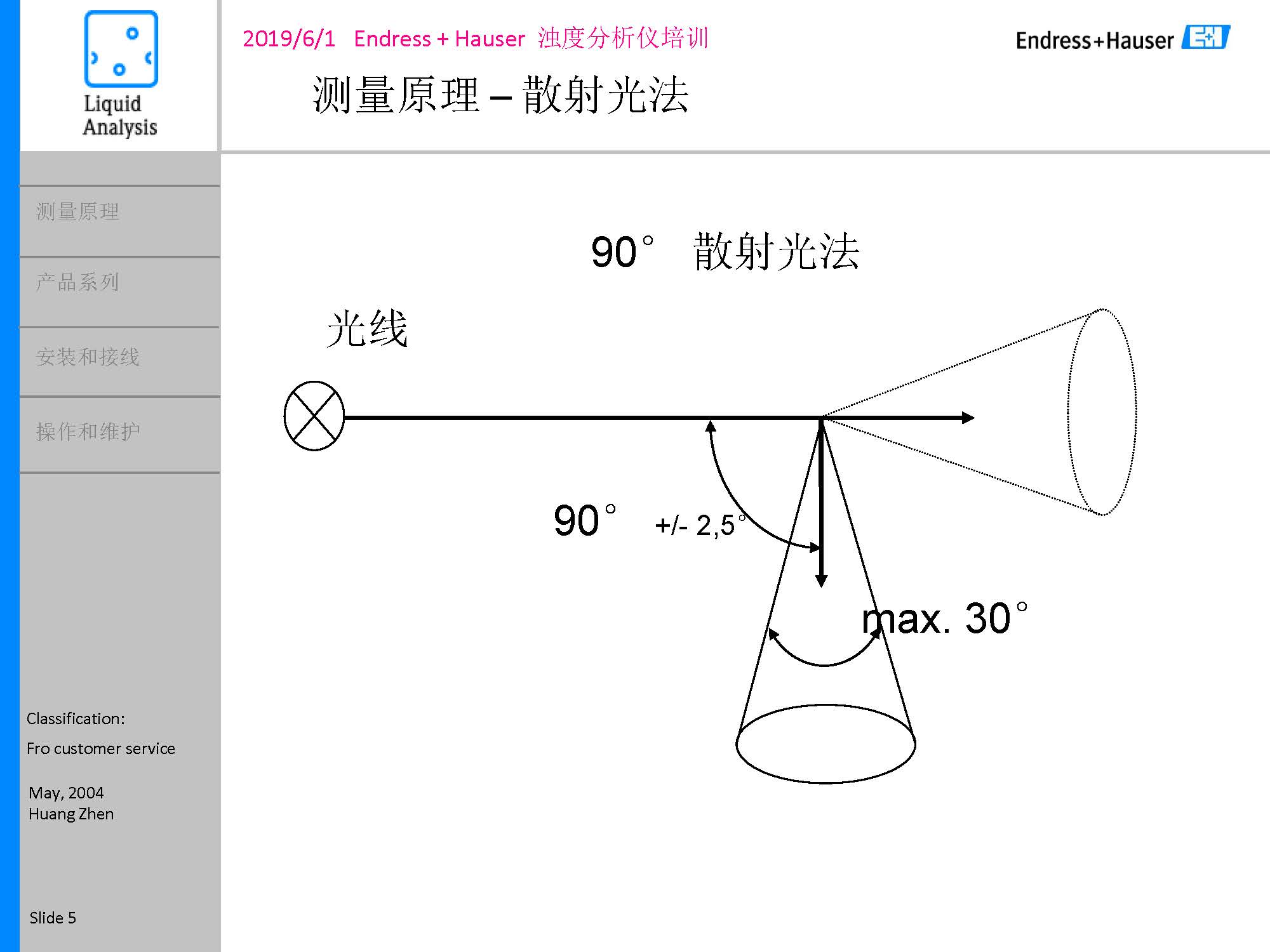
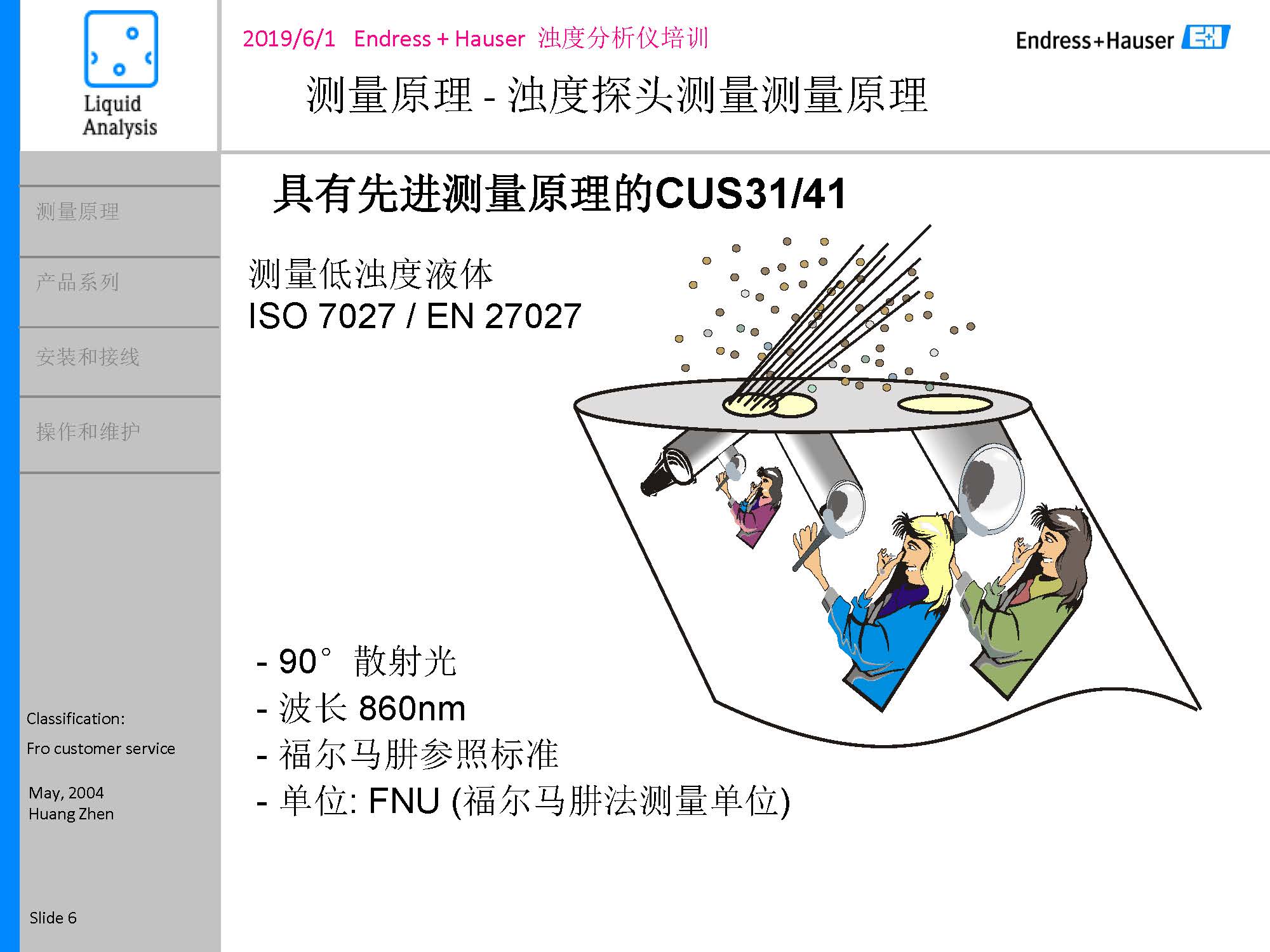
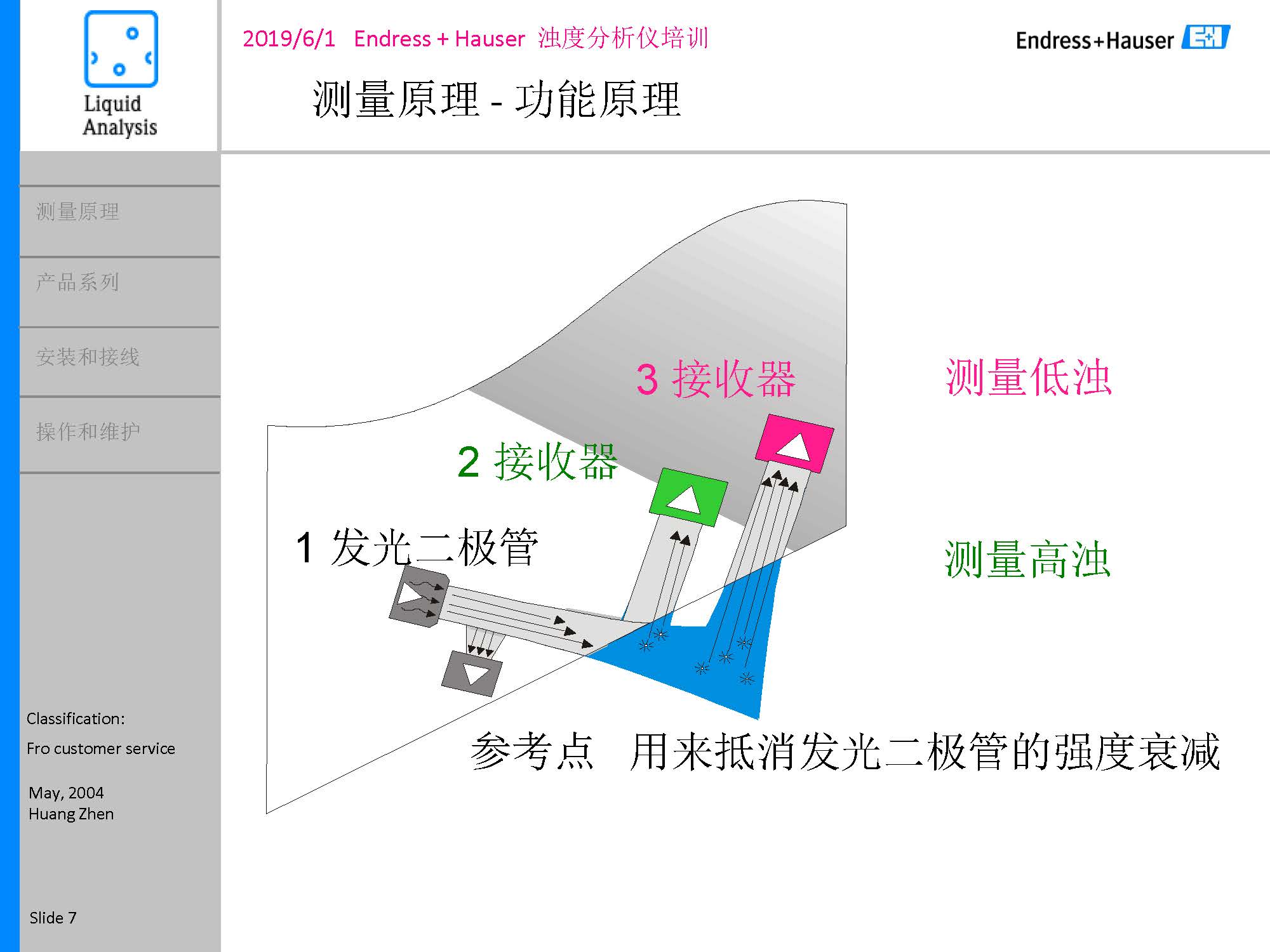
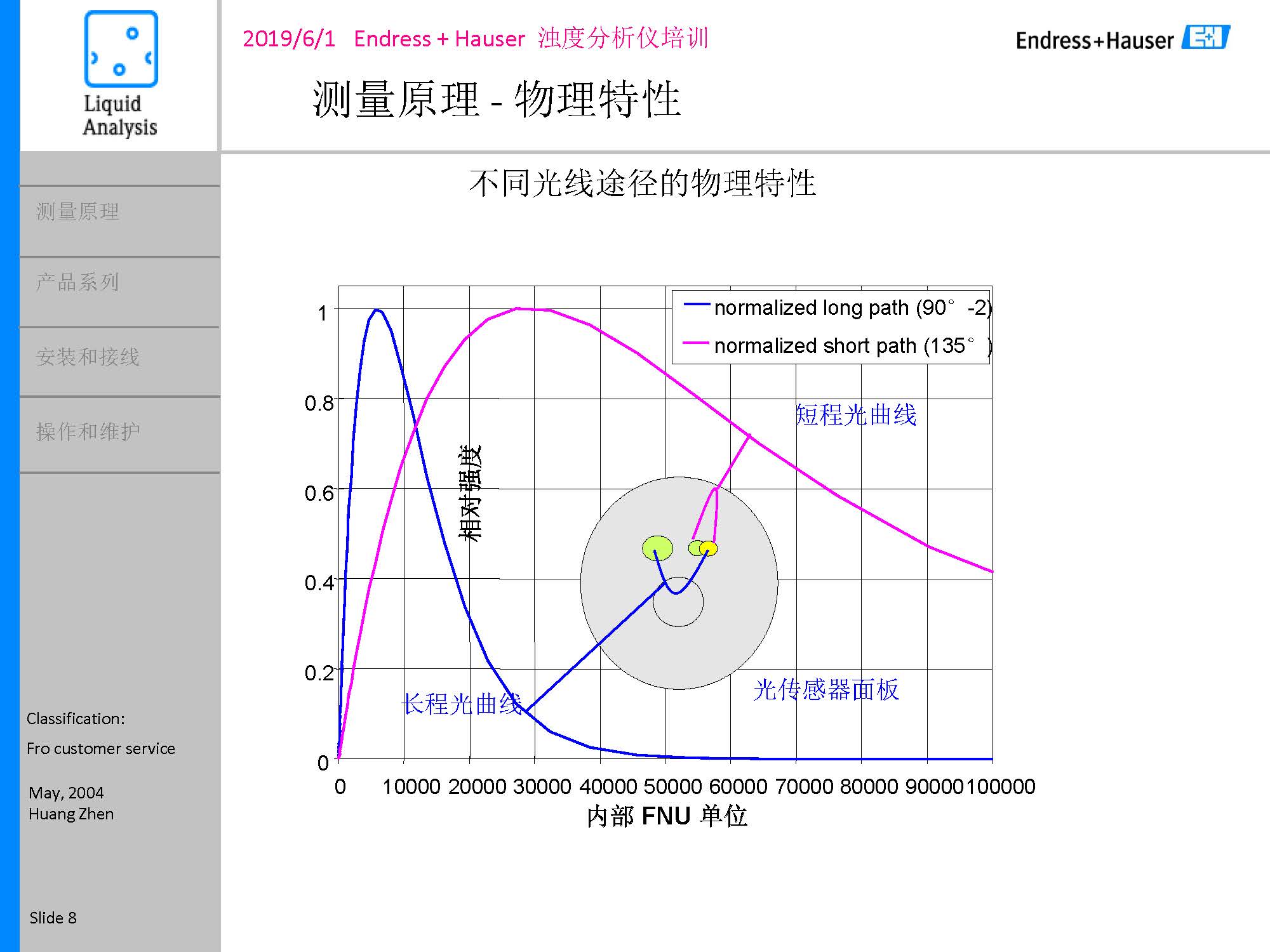
Turbidity reflects the degree of light scattering by suspended particles in water, commonly using the 90° scattered light method and the transmitted light method. E+H turbidity meters mostly use a combination of scattered light and transmitted light to improve sensitivity at low ranges.
- 90° scattered light method: suitable for low-turbidity drinking water monitoring, with high sensitivity.
- Transmitted light method: suitable for high-turbidity wastewater, with strong anti-fouling ability.
- Combined light method: balances wide range and stability, reducing bubble interference.
2.2 Suspended Solids Concentration Measurement Principles
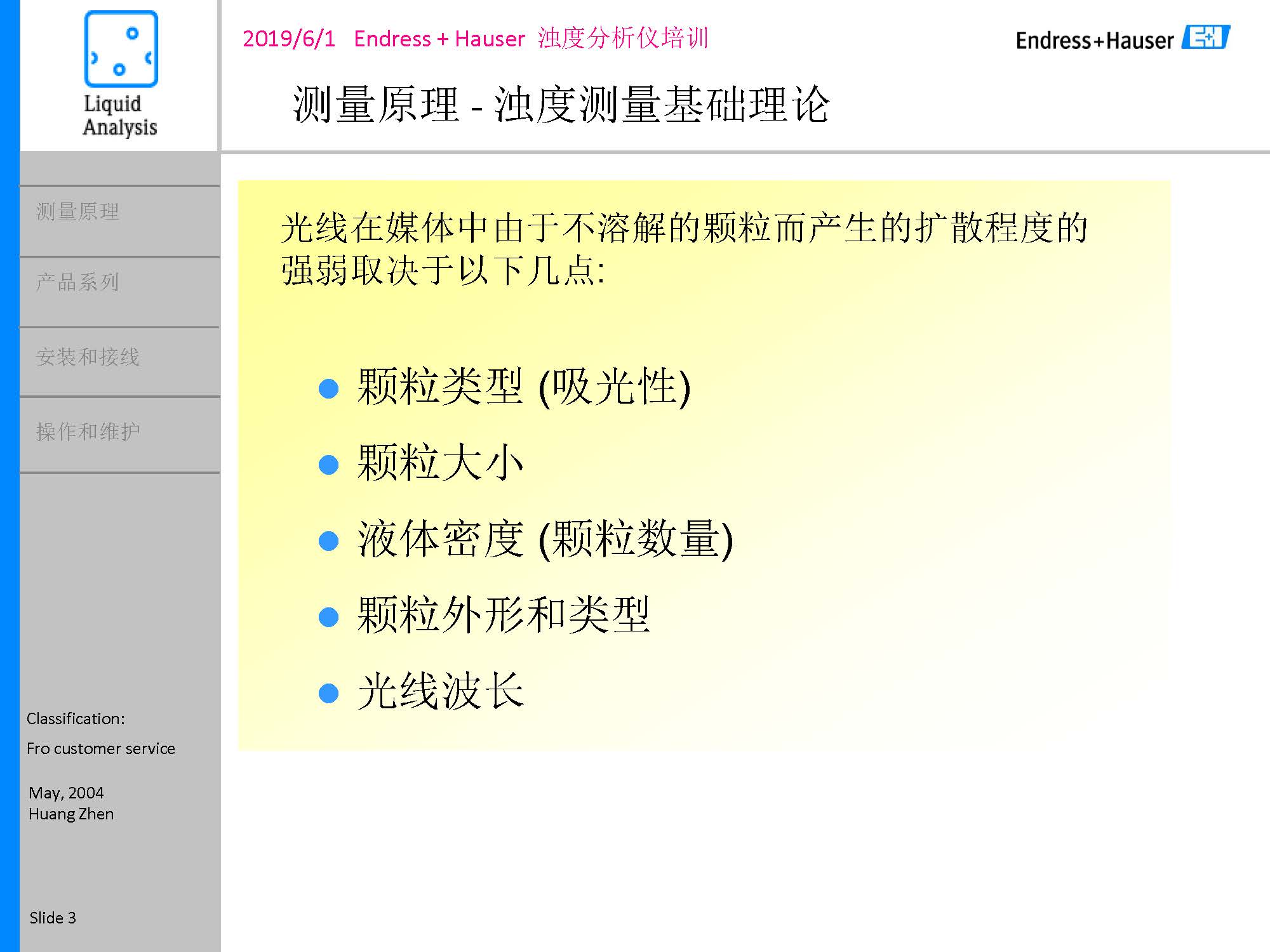
Suspended solids concentration is usually measured using the scattered light method or the ultrasonic method. E+H suspended solids concentration meters use multi-beam technology to compensate for window contamination and are suitable for high-concentration sludge and industrial slurries.
- Scattered light method: fast response, suitable for the 0~5000 mg/L range.
- Ultrasonic method: suitable for high-concentration, high-color media.
3. Selection Key Points and Parameter Comparison
3.1 Key Factors for Selection
Selection requires comprehensive consideration of range, medium temperature, pressure, installation method, and output signal. Procurement personnel should focus on sensor material and protection rating.
- Confirm the measurement range and accuracy requirements.
- Confirm whether the medium is corrosive or highly viscous.
- Confirm the installation method: immersion, flow-through, or pipeline type.
- Confirm the output signal: 4-20 mA, Modbus, or Profibus.
3.2 Comparison of Typical Model Parameters
| Model | Measurement Range | Accuracy | Protection Rating | Typical Application |
|---|---|---|---|---|
| Turbimax CUS51D | 0~4000 NTU | ±2% | IP68 | Drinking water, wastewater |
| Turbimax CUS52D | 0~4000 NTU | ±2% | IP68 | High-turbidity wastewater |
| Solimax CAS51D | 0~5000 mg/L | ±3% | IP68 | Sludge concentration |
4. Installation and Commissioning Steps
4.1 Installation Precautions
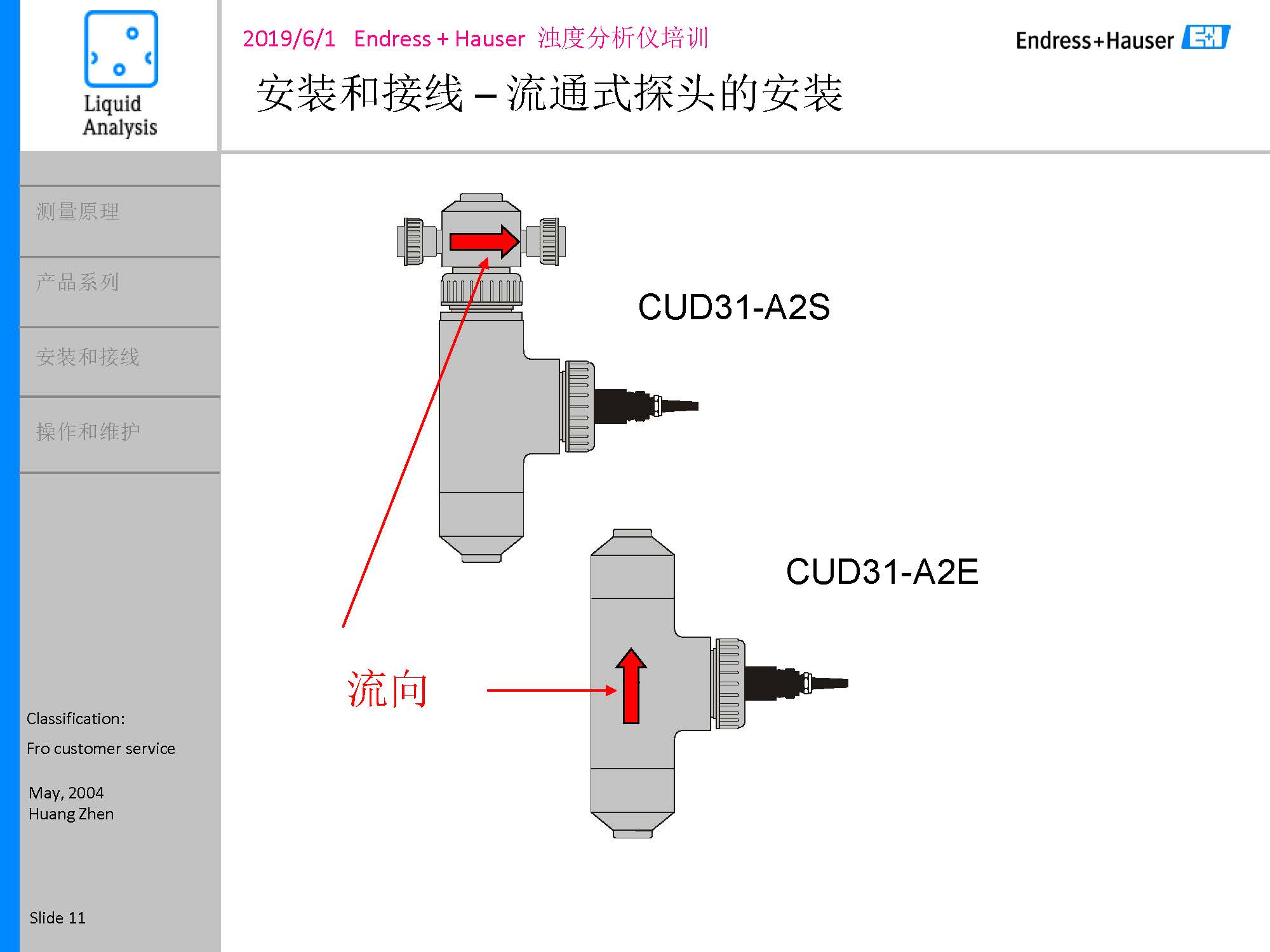
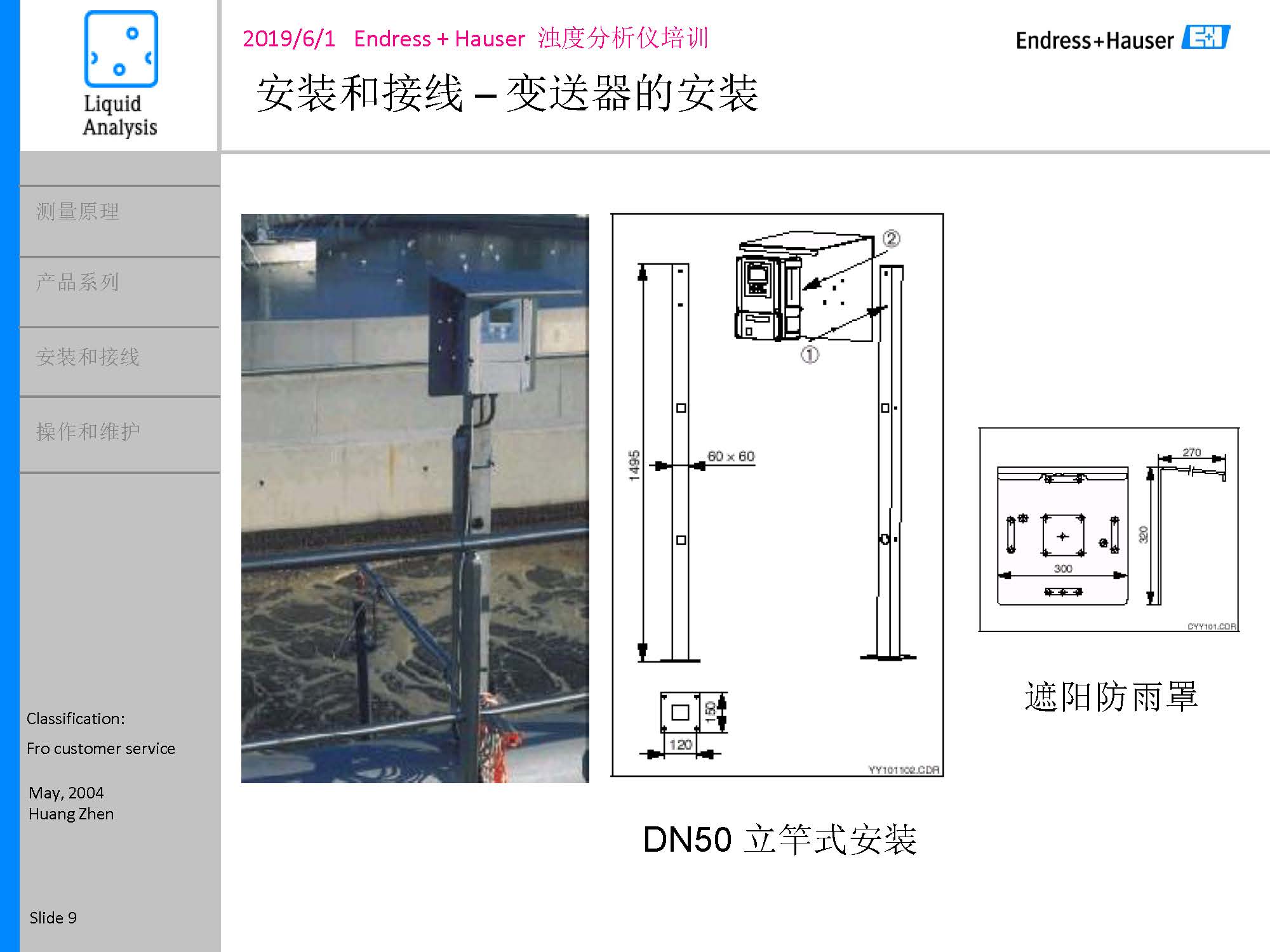
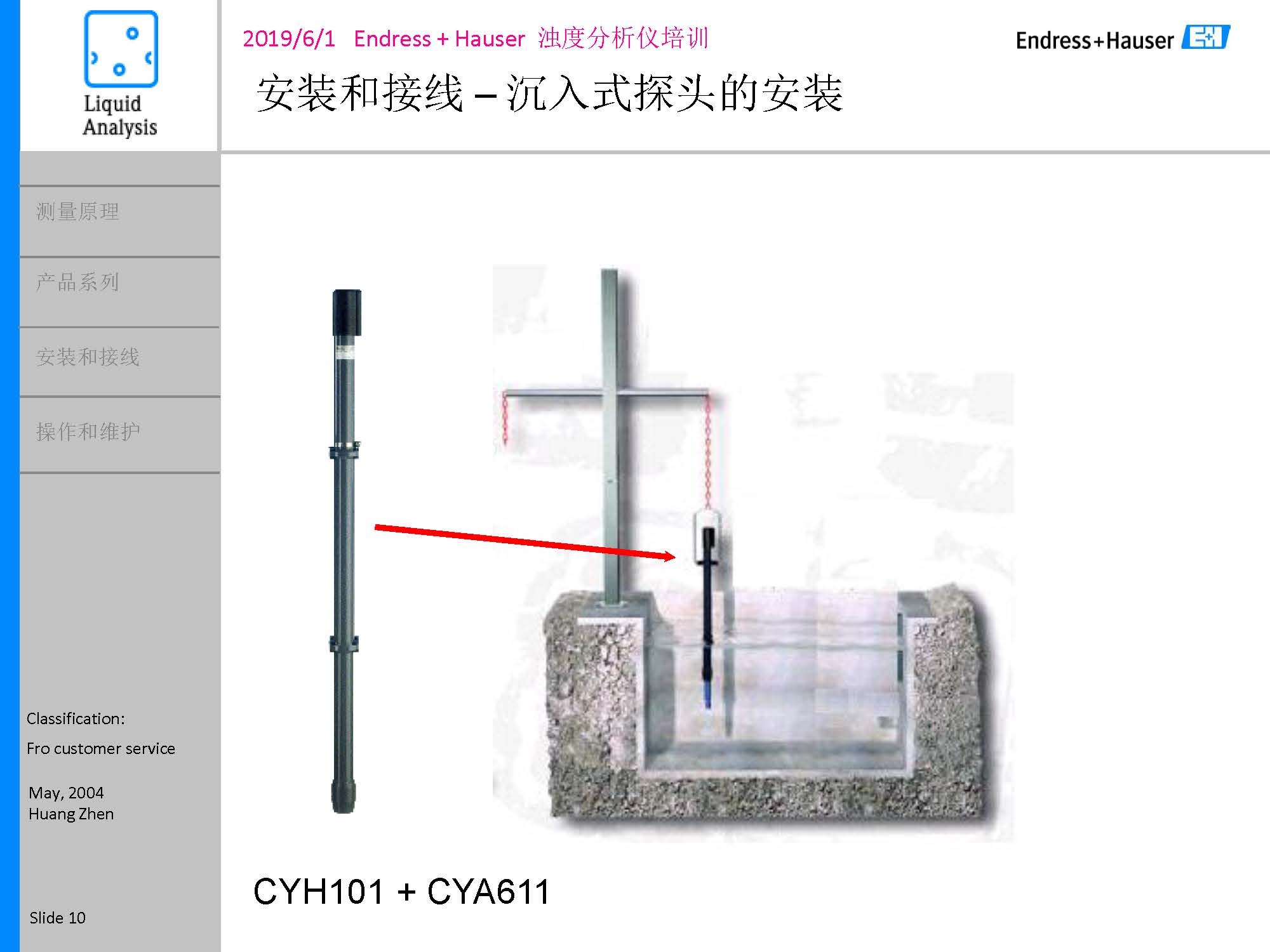
The installation location should avoid bubbles, direct strong light, and severe vibration. Immersion sensors need to be kept perpendicular to the water surface, and flow-through types need to ensure stable flow.
- Avoid installation directly below the water outlet to prevent bubble interference.
- Keep the sensor window clean to avoid scaling.
- Ensure the cable is sealed to prevent water ingress.
4.2 Commissioning and Calibration Process
Commissioning requires the use of standard solutions for zero point and span calibration, and calibration data should be recorded. It is recommended to recheck every 3 months.
- Connect the transmitter and power on for warm-up.
- Enter the calibration menu and select standard solution calibration.
- Complete zero point and span calibration in sequence.
- Save the data and verify the output signal.
5. Routine Maintenance and Troubleshooting
5.1 Maintenance Key Points
Regularly cleaning the optical window is key to ensuring long-term stability. It is recommended to establish a cleaning cycle based on the degree of medium contamination.
- Check the window weekly for scaling.
- Check cables and seals monthly.
- Perform standard solution verification quarterly.
5.2 Common Faults and Handling
| Fault Phenomenon | Possible Cause | Handling Method |
|---|---|---|
| Reading too high | Window contamination or bubbles | Clean the window and remove bubbles |
| Reading too low | Calibration invalid | Recalibrate |
| No signal output | Cable open circuit | Check wiring and power supply |
6. Training Summary and Procurement Recommendations
Mastering the principles, selection, installation, and maintenance of E+H turbidity and suspended solids concentration analyzers can significantly improve the reliability of online monitoring systems. During procurement, suitable models should be selected according to working conditions, and spare parts and after-sales service should be considered.
It is recommended that engineering personnel regularly participate in manufacturer training to obtain the latest technical materials and firmware upgrade information.