
Overview
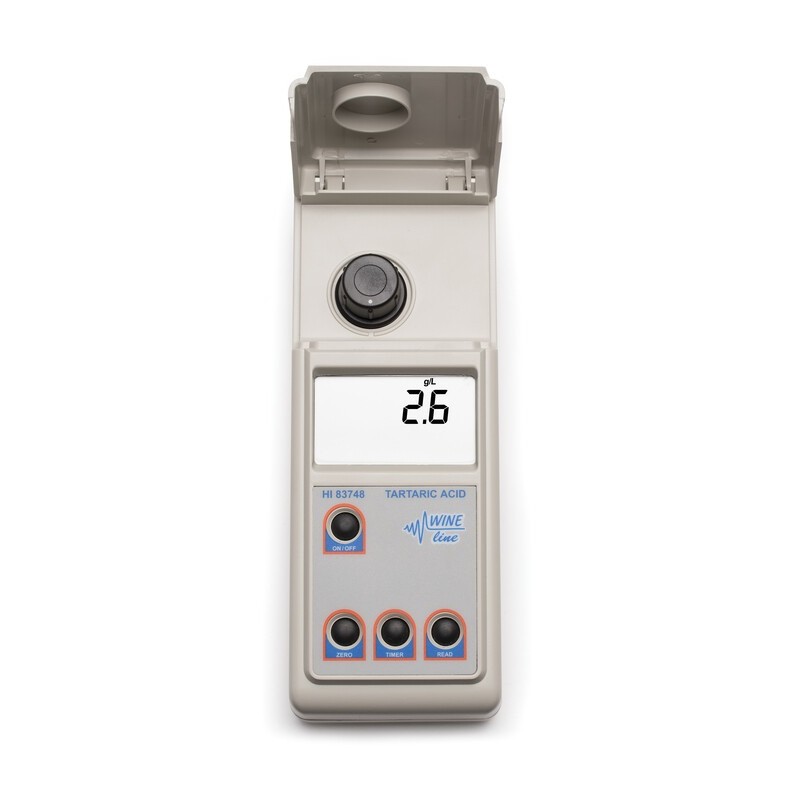
Photometer for the determination of Tartaric Acid in wine; Range 0.0 to 5.0 g/L ppt. The combination of a special tungsten lamp, a narrow band interference filter, and silicon photodetector ensure accurate photometric readings every time. The exclusive cuvette locking system ensures that the cuvette is inserted into the measurement cell in the same position every time to maintain a consistent path length.
Built-in timer: Display of time remaining before a measurement is taken. Ensures that all readings are taken at the appropriate reaction intervals for the test being performed. Zero key: A simple press of the zero key on the face of the meter will account for the colour and imperfections in the oil sample before reagent addition.
GLP: Review of the last calibration date. Auto shut-off: Automatic shut-off after 15 minutes of non-use when the meter is in measurement mode. Prevents wastage of batteries in the event the meter is accidentally left on.
Battery status indicator: Indicates the amount of battery life left. Error messages: Messages on display alerting to problems including no cap, high zero, and standard too low. Units of measure: Appropriate unit of measure is displayed along with reading Supplied with a rigid carrying case Significance of Tartaric Acid in wine production Tartaric Acid and tartrate play an important role in the stability of wines.
They can be present in wine and juice in various forms, like tartaric acid (H2T), potassium bitartrate (KHT), or calcium tartrate (CaT). The ratio of these depends mainly on the pH of the wine. The percentage of tartrate present as bitartrate (HT-) is maximum at pH 3.7.
The formation of crystalline deposits (tartrate casse) is a phenomenon of wine aging that does not meet customer acceptance. It is therefore important to test for and reduce the potential for bottle precipitation. For example, by adjusting the pH of the wine, winemakers can significantly influence the potential of casse formation.
Tartaric acid concentrations in wine range normally from 1.5 to 4.0 g/L. This acid concentration should not be confused with total or titratable acid of wines, which are often expressed as tartaric acid content as well. Although it is the tartaric acid that is the predominant acid present (up to 60% of the total acidity), others like malic, citric, and several volatile acids contribute significantly to total acidity.
Specifications
| Parameter | Value |
|---|---|
| SKU | HI83748-02 |
| Range | 0.0 to 5.0 g/L (ppt) |
| Resolution | 0.1 g/L |
| Accuracy @25°C | ±0.1 g/L ±5% of reading |
| Light source | Tungsten lamp |
| Manual precision | SD ±0.1 g/L @ 2.0 g/L |
| Light Detector | Silicon photocell with narrow band interference filter @ 525 nm |
| Method | The reaction between tartaric acid and the reagents causes a yellow/orange red tint in the sample |
| Environment | 0 to 50°C; RH max 95% non-condensing |
| Battery type | 1.5 V AA batteries (4)/12 VDC adapter |
| Auto shut-off | After 15 minutes of non-use |
| Dimensions | 225 x 85 x 80mm |
| Weight | 500g |
| Ordering information | Supplied with sample cuvettes and caps x 2, reagents for 5 manual tests (HI-83748A-0 and HI-83748B-0), 200µL automatic pipette, plastic tips for 200µL automatic pipette x 2, 5mL syringe with tip, cuvette wiping cloth, 12 VDC adapter, batteries, instructions, instrument quality certificate and rigid carrying case. |
| Reagent Set | HI-83748-20 Tartaric acid reagents set for wine (20 tests) |
Related Products
 HANNA Instruments
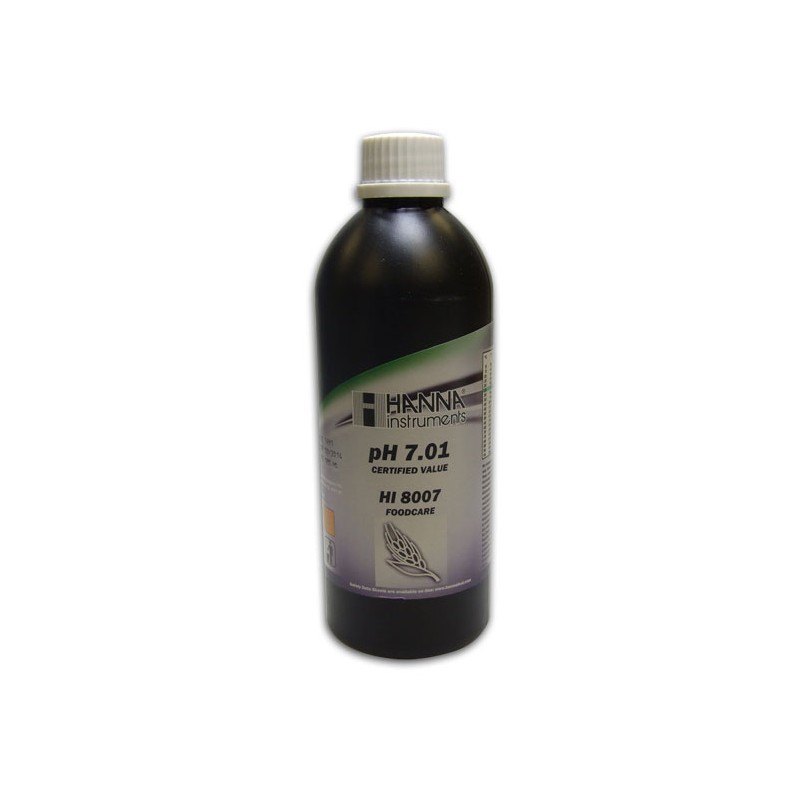
Foodcare pH 7.01 Buffer Solution - 500ml FDA Bottle
 HANNA Instruments
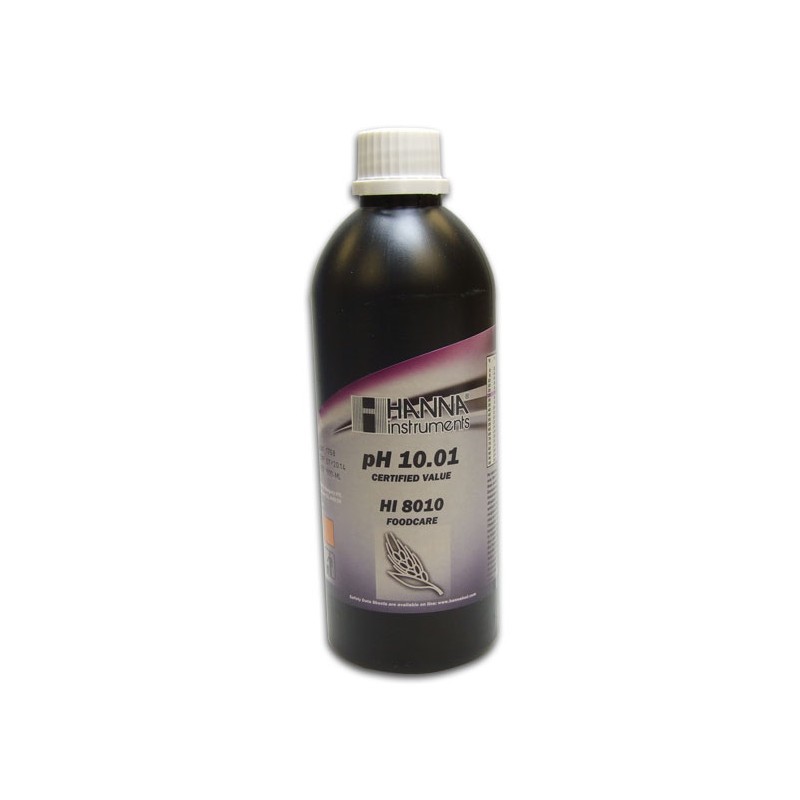
Foodcare pH 10.01 Buffer Solution - 500ml FDA Bottle
 HANNA Instruments
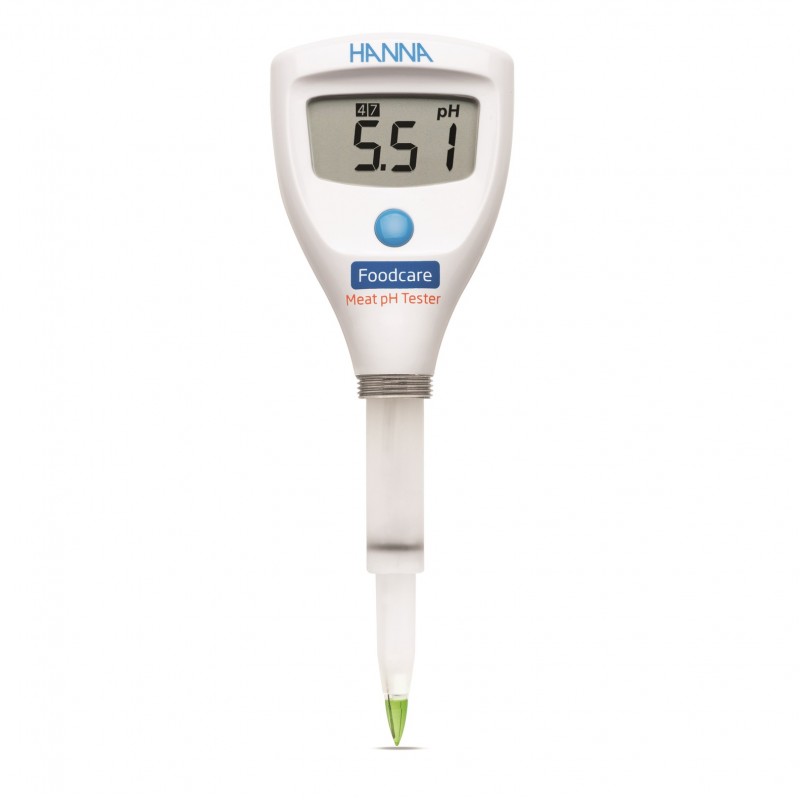
pH Tester for Meat with built-in Specialised Electrode, Compatible with FC097 Meat Blade
 HANNA Instruments
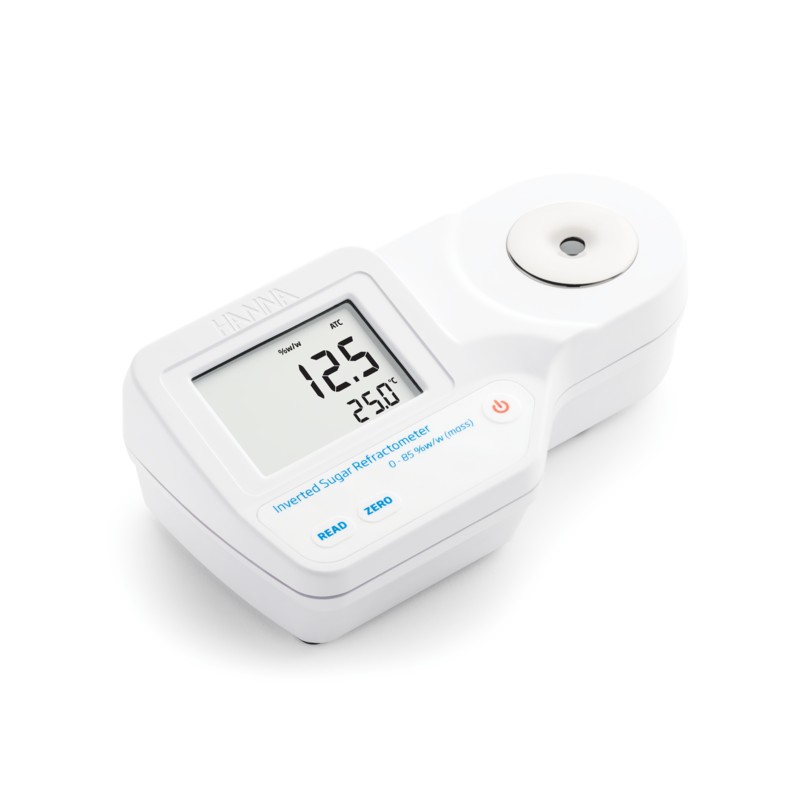
Refractometer for Inverted sugar 0 to 85% scale
 HANNA Instruments
6.86 pH Foodcare Buffer Calibration Solution, 500 mL FDA bottle
 HANNA Instruments
Electrode Cleaning Solution for Oil and Fats, FDA 500 mL bottle
 HANNA Instruments
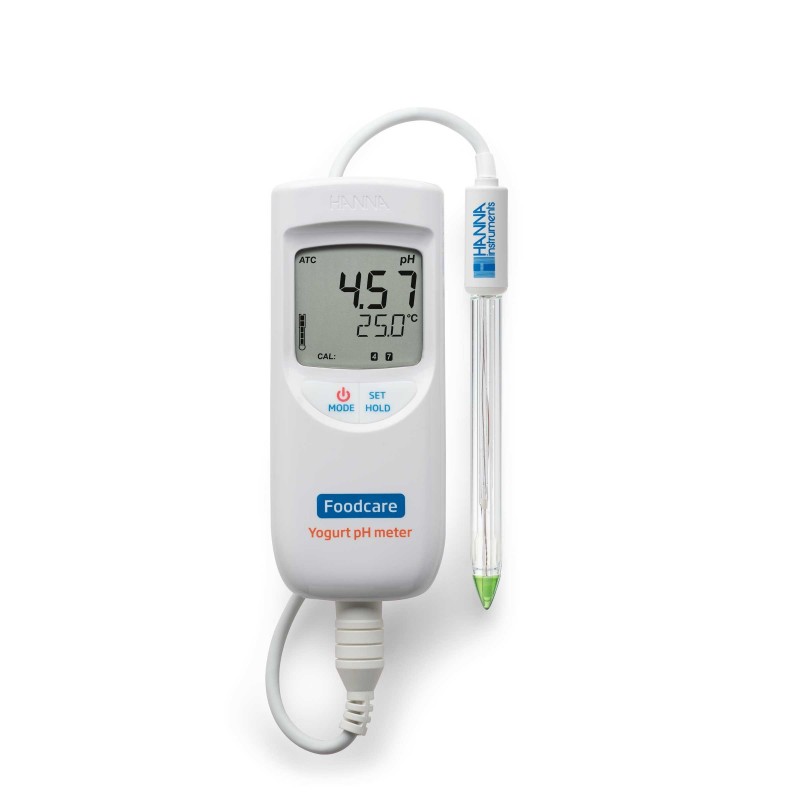
Portable pH/Temperature Meter for Yogurt Analysis
 HANNA Instruments