
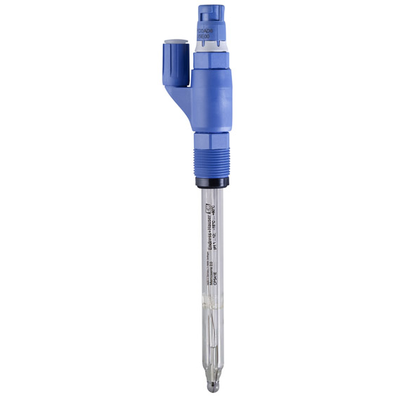
Technical Data
ComparepH
| Measuring Principle | Potentiometric |
| Application | Media with very low conductivity or a high proportion of organic solvents or alcohol: • Chemical industry • Organic chemicals • Power stations • Laboratory measurements |
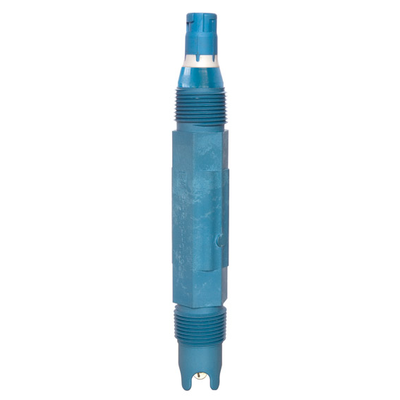
| Characteristic | Digital pH electrode for process engineering with ceramic junction and KCl liquid electrolyte |
| Measuring range | Application A • pH: 1 to 12 Application B • pH: 0 to 14 |
| Measuring principle | Liquid-KCl compact electrode with ceramic junction |
| Design | All shaft lengths with temperature sensor |
| Material | Sensor shaft: Glass to suit process pH membrane glass: Type A and B Metal lead: Ag/AgCl Open aperture: Ceramic junction, zirconium dioxide O-ring: FKM Process coupling: PPS fiber-glass reinforced Nameplate: Ceramic metal oxide |
| Dimension | Diameter: 12 mm (0.47 inch) Shaft length: 120, 225, 360 and 425 mm (4.72, 8.86, 14.17 and 16.73 inch) |
| Process temperature | Application A: –15 to 80 °C (5 to 176 °F) Application B: 0 to 135 °C (32 to 275 °F) |
| Process pressure | 0.8 to 11 bar (11.6 to 159.5 psi) absolute |
| Temperature sensor | NTC 30K |
| Ex certification | With ATEX, IECEx, CSA C/US, NEPSI, Japan Ex and INMETRO approvals for use in hazardous areas Zone 0, Zone 1 and Zone 2. |
| Connection | Inductive, digital connection head with Memosens 2.0 technology |
| Ingress protection | IP68 |
Field of application
Memosens CPS41E features a liquid KCl electrolyte and a ceramic junction making it extremely suitable for harsh chemical applications, fast-changing media and liquids with low conductivity or high organic content. Its integrated Memosens 2.0 digital technology enables extended data storage and lab calibration which results in easier operation and more process uptime and provides the perfect basis for predictive maintenance. The non-contact signal transmission ensures integrity of your process.
Media with low conductivities or a high proportion of organic solvents or alcohols and fast changing media:
Chemical industry
Organic chemicals
Power plants, e.g. boiler feed water
Laboratory measurements
With ATEX, IECEx, CSA C/US, NEPSI, Japan, INMETRO approvals for use in hazardous areas, zones 0, 1 and 2.
Benefits
Memosens 2.0 for perfect support of IIoT, digital transformation and predictive maintenance: It provides enhanced storage of calibration and process data, enabling better trend identification.
Suitable for harsh conditions: Continuous refilling of KCl bridge electrolyte and a separate reference lead prevent poisoning of the electrode.
Application in quickly changing media: Memosens CPS41E offers a fast response time thanks to its liquid KCl electrolyte and ceramic junction.
Liquid KCl electrolyte enables reliable measurement even at very low conductivities (> 0.1 µS/cm).
Suitable for cleaning in place (CIP) and sterilization in place (SIP)
Inductive signal transmission eliminates any interference by moisture, leading to safer processes.
Reduced operating costs: Sensor calibration and regeneration in the lab allows for less process downtime and extends the sensor lifetime.
pH:
| Measuring Principle | Potentiometric | |
| Application | Media with very low conductivity or a high proportion of organic solvents or alcohol: • Chemical industry • Organic chemicals • Power stations • Laboratory measurements |
|
| Characteristic | Digital pH electrode for process engineering with ceramic junction and KCl liquid electrolyte | |
| Measuring range | Application A • pH: 1 to 12 Application B • pH: 0 to 14 |
|
| Measuring principle | Liquid-KCl compact electrode with ceramic junction | |
| Design | All shaft lengths with temperature sensor |
|
| Material | Sensor shaft: Glass to suit process pH membrane glass: Type A and B Metal lead: Ag/AgCl Open aperture: Ceramic junction, zirconium dioxide O-ring: FKM Process coupling: PPS fiber-glass reinforced Nameplate: Ceramic metal oxide |
|
| Dimension | Diameter: 12 mm (0.47 inch) Shaft length: 120, 225, 360 and 425 mm (4.72, 8.86, 14.17 and 16.73 inch) |
|
| Process temperature | Application A: –15 to 80 °C (5 to 176 °F) Application B: 0 to 135 °C (32 to 275 °F) |
|
| Process pressure | 0.8 to 11 bar (11.6 to 159.5 psi) absolute | |
| Temperature sensor | NTC 30K | |
| Ex certification | With ATEX, IECEx, CSA C/US, NEPSI, Japan Ex and INMETRO approvals for use in hazardous areas Zone 0, Zone 1 and Zone 2. | |
| Connection | Inductive, digital connection head with Memosens 2.0 technology | |
| Ingress protection | IP68 | |
Case Studies
Municipal Wastewater Treatment — Wastewater Treatment Plant · pH Application Case
Project Background
Municipal Wastewater Treatment customers at the Wastewater Treatment Plant stage have long faced the challenge of insufficient accuracy in effluent quality monitoring and instruments prone to contamination causing data drift, affecting compliance discharge, placing higher demands on the stability and measurement accuracy of pH.
Solution
Based on the on-site conditions, the Ainstru technical team selected suitable pH for the customer and delivered one-stop service covering selection, installation, commissioning and tuning.
Results
- Measurement accuracy and response speed significantly improved, with stable and reliable data;
- Instruments adapt to complex Municipal Wastewater Treatment conditions, greatly reducing maintenance;
- Helping customers achieve continuous online monitoring and cost reduction, highly recognized by customers.
Food & Beverage — Food Production Line · pH Application Case
Project Background
Food & Beverage customers at the Food Production Line stage have long faced the challenge of high hygienic measurement requirements, with inline instruments needing to withstand CIP/SIP cleaning while maintaining stable accuracy, placing higher demands on the stability and measurement accuracy of pH.
Solution
Based on the on-site conditions, the Ainstru technical team selected suitable pH for the customer and delivered one-stop service covering selection, installation, commissioning and tuning.
Results
- Measurement accuracy and response speed significantly improved, with stable and reliable data;
- Instruments adapt to complex Food & Beverage conditions, greatly reducing maintenance;
- Helping customers achieve continuous online monitoring and cost reduction, highly recognized by customers.
Chemical & Pharmaceutical — Reactors and Storage Tanks · pH Application Case
Project Background
Chemical & Pharmaceutical customers at the Reactors and Storage Tanks stage have long faced the challenge of highly corrosive media and complex conditions, requiring corrosion-resistant and explosion-proof instruments, placing higher demands on the stability and measurement accuracy of pH.
Solution
Based on the on-site conditions, the Ainstru technical team selected suitable pH for the customer and delivered one-stop service covering selection, installation, commissioning and tuning.
Results
- Measurement accuracy and response speed significantly improved, with stable and reliable data;
- Instruments adapt to complex Chemical & Pharmaceutical conditions, greatly reducing maintenance;
- Helping customers achieve continuous online monitoring and cost reduction, highly recognized by customers.
Power & Energy — Power Plant Boiler and Turbine · pH Application Case
Project Background
Power & Energy customers at the Power Plant Boiler and Turbine stage have long faced the challenge of unstable measurement under high temperature and pressure, with high maintenance and downtime costs, placing higher demands on the stability and measurement accuracy of pH.
Solution
Based on the on-site conditions, the Ainstru technical team selected suitable pH for the customer and delivered one-stop service covering selection, installation, commissioning and tuning.
Results
- Measurement accuracy and response speed significantly improved, with stable and reliable data;
- Instruments adapt to complex Power & Energy conditions, greatly reducing maintenance;
- Helping customers achieve continuous online monitoring and cost reduction, highly recognized by customers.
Related Products
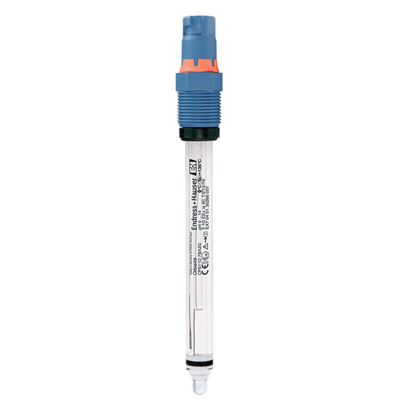 Endress+Hauser
Orbisint CPS11D Memosens
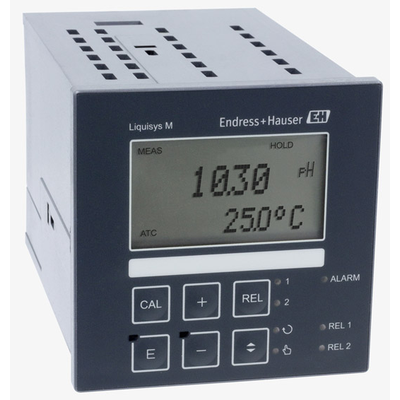 Endress+Hauser
Liquisys M CPM223
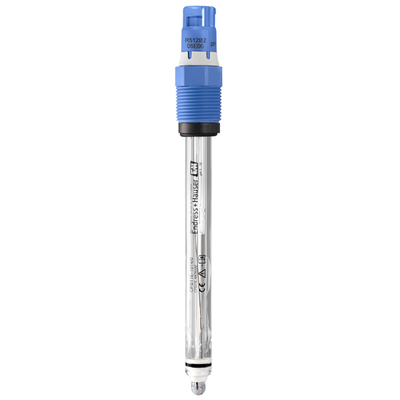 Endress+Hauser
Memosens CPS11E
 Endress+Hauser
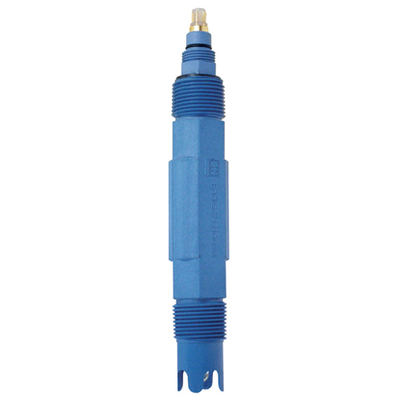
Orbipac CPF81
 Endress+Hauser
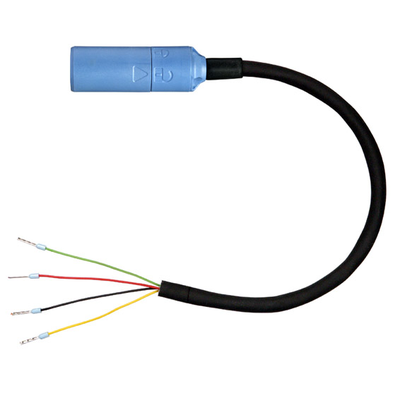
Meas. cable CYK10 Memosens
 Endress+Hauser
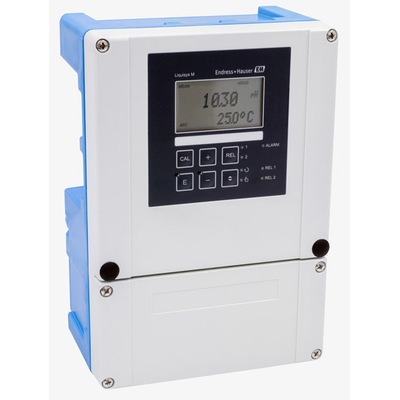
Liquisys M CPM253
 Endress+Hauser
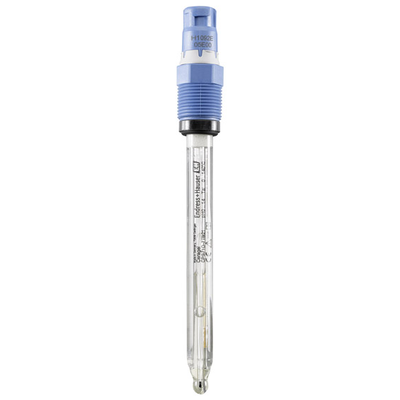
Ceragel CPS71D Memosens
 Endress+Hauser