
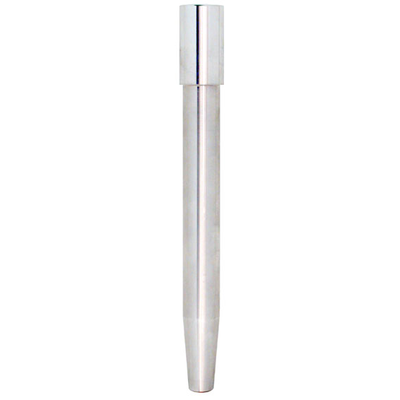
Technical Data
CompareThermowell
| Measuring Principle | Bar stock Thermowell |
| Characteristic / Application | metric style weld-in process connections round extension |
| Head connection | internal thread: 1/2" NPT 1/2" NPSC |
| Maximum standard immersion length | 900 mm (35,43") |
| Max. immersion length on request | 5.000 mm (196,85") |
| Process connection | to weld-in |
| Thermowell root diameter | 22 mm (0,87") 27 mm (1,06") |
| Medium contact material | 1.4401 (316) 1.4404 (316L) 1.4571 (316Ti) |
| Wetted part finishing (Ra) | < 0,8 μm (31,50 μin) < 1,6 μm (63,00 μin) |
| Tip shape | straight conical conical tapered |
| Temperature range | -200...700 °C (-328...1.292 °F) |
| Max. process pressure (static) | 500 bar (7252 psi) |
| Max. process pressure at 400 °C | 300 bar (4351 psi) |
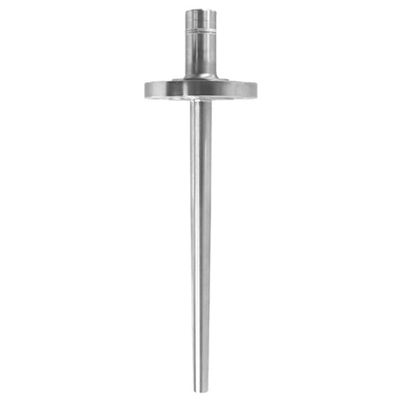
TA572 barstock thermowell, a thermowell made from solid drilled barstock, mainly used for demanding applications or general purposes
Advantages
The thermowell extension length and insertion depth as well as the thermowell dimensions can be selected according to process requirements
Various standard materials and process connections are available, and custom versions can also be provided to specification
Different grades of surface treatment are available
The process connection is a socket weld. The thermowell shape is straight or tapered
Application
Because process conditions are demanding, the strength of the thermowell must be precisely calculated. Dye penetrant testing, ultrasonic testing, helium leak testing, pressure endurance testing, and various non-destructive material tests verify the quality of materials and workmanship.
Configurator / Comparison
Measuring principle video
 Click to play
Manuals & Documents 5
All documents for this modelCase Studies
Municipal Wastewater Treatment · temperature casing — Application Case
Application Context
the inlet, biological and outlet stages of a municipal plant is a typical Municipal Wastewater Treatment duty. The project started from temperature casing, focusing on providing pressure-tight isolation and protection for temperature elements.
Process Constraints
effluent parameters drift and probes foul with sludge and biofilm, and high solids and corrosive fractions, with large diurnal flow swings only amplify it. The temperature casing specification must therefore cover sizing strength and vibration frequency against flow velocity, pressure and corrosivity.
Delivery Approach
Delivery was handled as the temperature range — temperature solution matched to measuring point and response needs. Execution centred on sizing strength and vibration frequency against flow velocity, pressure and corrosivity, together with stable compliance with Grade 1A discharge limits and online data reporting.
Field Results
Operation shows the benefit clearly — longer well life, avoiding breakage that disrupts the process, with confidence in this measuring point improving markedly.
Food & Beverage · temperature casing — Application Case
Customer Profile
The typical setting in Food & Beverage is dosing, pasteurising, filling and CIP stages. The measuring point is temperature casing; the focus is providing pressure-tight isolation and protection for temperature elements.
Key Difficulties
Conditions are syrups, dairy and beverages that scale easily, under strict hygienic requirements and, on top of that, frequent cleaning demands instruments that withstand hot CIP/SIP caustic cycles, which a standard configuration cannot handle for long. The design therefore starts with sizing strength and vibration frequency against flow velocity, pressure and corrosivity.
Implementation
The scope ran through the temperature range: temperature solution matched to measuring point and response needs. Technically it hinges on sizing strength and vibration frequency against flow velocity, pressure and corrosivity, and on these requirements: food-safety and hygienic design per 3-A / EHEDG.
Customer Benefit
In practice this means longer well life, avoiding breakage that disrupts the process, which cut the workload on the site maintenance team.
Chemical & Pharmaceutical · temperature casing — Application Case
Project Background
The project covers reactors, metering vessels and finished-product tanks. The work centres on temperature casing and the core task is providing pressure-tight isolation and protection for temperature elements.
Operating Challenges
The medium and duty are characterised by highly corrosive media with solvents and crystallisation, partly in explosive atmospheres, and corrosion plus Ex protection shortens instrument life and makes downtime costly. So temperature casing cannot be specified generically — it calls for sizing strength and vibration frequency against flow velocity, pressure and corrosivity.
Solution
The Ainstru engineering team worked through the temperature range: temperature solution matched to measuring point and response needs. The configuration involves sizing strength and vibration frequency against flow velocity, pressure and corrosivity, with these requirements in view: Ex certification and GMP traceability of records.
Results
Since start-up the system has run steadily; the practical result is longer well life, avoiding breakage that disrupts the process.
Power & Energy · temperature casing — Application Case
Project Overview
The site is boiler feedwater, turbine condensate and FGD/DeNOx systems. The customer wanted temperature casing properly configured on the existing plant, with the aim of providing pressure-tight isolation and protection for temperature elements.
Technical Challenges
What actually causes trouble is high temperature and pressure with both steam and saline water, and drift under high temperature and pressure, with very costly unplanned outages. All of this means the temperature casing configuration has to involve sizing strength and vibration frequency against flow velocity, pressure and corrosivity.
Configuration
Supply and installation were organised through the temperature range: temperature solution matched to measuring point and response needs. On site this meant sizing strength and vibration frequency against flow velocity, pressure and corrosivity, checked line by line against: compliance with power-industry codes and unit availability targets.
Performance
After commissioning the outcome is longer well life, avoiding breakage that disrupts the process, and the readings are now used for process tuning.
Related Products
 Endress+Hauser
iTHERM ModuLine TT411
 Endress+Hauser
iTHERM ModuLine TT151
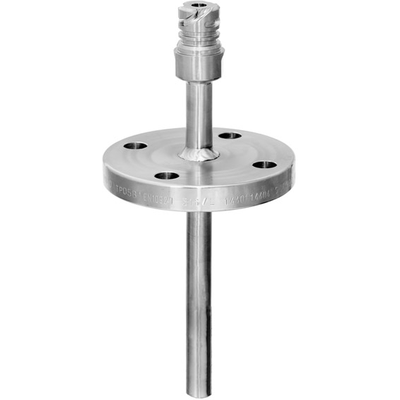 Endress+Hauser
iTHERM ModuLine TT131
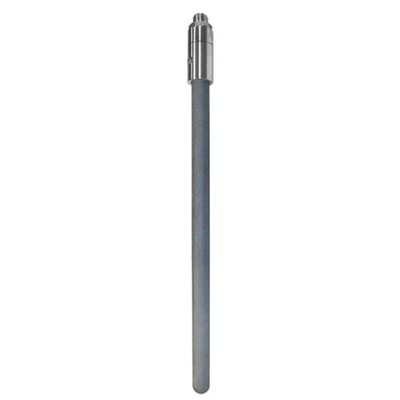 Endress+Hauser
Thermowell TWF11
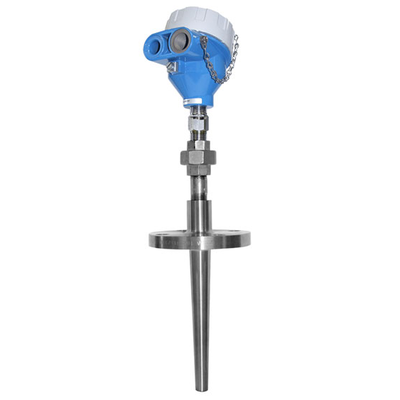 Endress+Hauser
Ex thermocouple thermometer
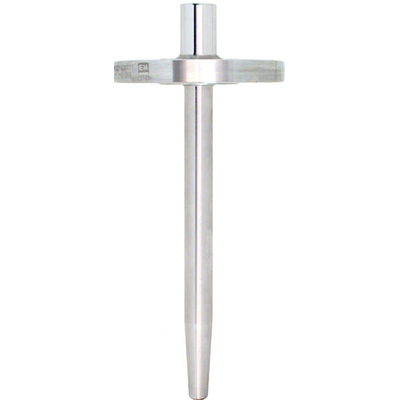 Endress+Hauser
Thermowell TA575
 Endress+Hauser
iTHERM ModuLine TT412
 Endress+Hauser