
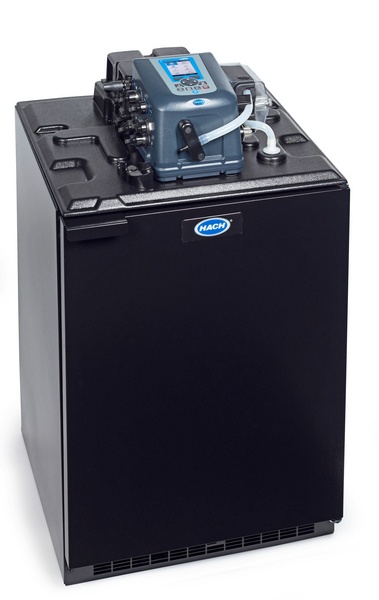
Application Industry:
The American Sigma 950 series samplers include three designs: portable samplers, refrigerated samplers, and all-weather samplers. They are mainly used in wastewater sampling, specimen collection, industrial pretreatment sampling, environmental monitoring, stormwater sampling, and other industries.
Instrument Features:
-
1) Sampling made easy
-
The AS950 series samplers can be programmed with composite sampling routines and run automatically.
-
2) Convenient data transfer
-
The AS950 sampler is one of the few products on the market that can use USB to upload and download data and copy programs to another sampler.
-
3) Simple and intuitive operation
-
The AS950 sampler features an extra-large full-color display and an intuitive operating interface, allowing all programs in the menu to be displayed on the same screen without scrolling through menus, supporting error-free operation.
-
4) Easy maintenance and low cost
-
The AS950 sampler features a unique spring-loaded roller design that extends service life and reduces maintenance costs; the desiccant and pump tubing can be easily removed and replaced without any tools; and quick visual inspection is possible through the sturdy transparent pump cover.
-
5) Trustworthy sampling process
-
The program status screen displays alarm conditions, missed samples, and program progress in real time, making troubleshooting faster and easier.
-
6) Compact or discrete sampling can be switched on site
-
The AS950 portable sampler can quickly switch between composite sampling and discrete sampling during on-site operation.
Technical Specifications
Portable Sampler
-
Dual Program Up to two sampling programs can run sequentially, in parallel, or according to a weekly daily schedule, giving a single sampler multiple sampling capabilities
-
Sampling Mode "Sampling method: time-weighted, flow-weighted, time schedule, flow schedule, event-triggered
-
Distribution: Single-bottle composite sample, multi-bottle composite sample, multi-bottle discrete sample, single sample multi-bottle, single-bottle multi-sample, or a combination of single sample multi-bottle and single-bottle multi-sample"
-
Operating Mode Continuous or intermittent
-
Status Screen Displays program run steps, whether any samples were missed, when the next sample will be taken, number of remaining samples, number of recorded channels, time of last measurement, available memory, number of available channels, whether an alarm was triggered, alarm trigger interval, active sensors, cabinet temperature, etc.
-
Alarm Alarm information is displayed on the status screen and can also be recorded in the diagnostic alarm log. Alarms can be set as system diagnostic alarms and recorded alarms, such as program complete, sampling stopped, missed sample, and bottle full. Channel alarms are alarms for recorded measured values (channels), such as pH, level, and supply voltage
-
Manual Sampling Starts sampling independently of the sampling program currently in progress
-
Auto Shutdown "Multi-bottle mode: after the distribution arm has fully rotated (except when continuous mode is selected)
-
Composite mode: after the preset number of samples has been fully delivered to the composite container, with the sample count from 1 to 999, or bottle full"
-
Sample Volume Programmable in increments of 10 mL (0.34 oz), ranging from 10 to 10,000 mL (3.38 oz to 2.6 gal)
-
Sampling Interval "Selectable from 1 to 9,999 flow pulses per increment (momentary contact closure of about 25 ms or 5 to 12 VDC pulse; optional 4-20 mA interface), or from about 1 to 9,999 minutes in increments of about 1 minute"
-
Setpoint Sampling Trigger If a flow sensor or pH/temperature sensor or other external detection device is installed, sampling will be triggered after the set limit range is exceeded
-
Data Logging "Sample history: can store up to 4,000 records of various data, including sample timestamp, bottle number, and sample status (complete, bottle full, rinse error, user aborted, distribution arm error, pump failure, purge failure, sampling timeout, power failure, and main battery low)
-
Measurement: can store up to 325,000 records of selected measurement channel data, stored at the set logging interval
-
Event log: can store up to 2,000 records. Various data can be recorded, including power on, power failure, firmware update, pump failure, distribution arm error, memory battery low, main battery low, user open, user close, program start, program resume, program pause, program complete, grab sample, tubing requirement change, sensor communication error, cooling failure, heating failure, thermal error correction, etc."
-
Diagnostics Event and alarm logs can be viewed, as well as maintenance diagnostics
Refrigerated Sampler
-
Dual Program Up to two sampling programs can run sequentially, in parallel, or according to a weekly daily schedule, giving a single sampler multiple sampling capabilities
-
Sampling Mode "Sampling method: time-weighted, flow-weighted, time schedule, flow schedule, event-triggered
-
Distribution: single-bottle composite sample, multi-bottle composite sample, multi-bottle discrete sample, single sample multi-bottle, single-bottle multi-sample, or a combination of single sample multi-bottle and single-bottle multi-sample"
-
Operating Mode Continuous or intermittent
-
Status Screen "Displays program run steps, whether any samples were missed, when the next sample will be taken, number of remaining samples, number of recorded channels, time of last measurement, available memory, number of available channels, whether an alarm was triggered, alarm trigger interval, active sensors, cabinet temperature, etc."
-
Alarm "Alarm information is displayed on the status screen and can also be recorded in the diagnostic alarm log. Alarms can be set as system diagnostic alarms and recorded alarms, such as program complete, sampling stopped, missed sample, and bottle full. Channel alarms are alarms for recorded measured values (channels), such as pH, level, and supply voltage"
-
Manual Sampling Starts sampling independently of the sampling program currently in progress
-
Auto Shutdown "Multi-bottle mode: after the distribution arm has fully rotated (except when continuous mode is selected)
-
Composite mode: after the preset number of samples has been fully delivered to the composite container, with the sample count from 1 to 999, or bottle full"
-
Sample Volume Programmable in increments of 10 mL (0.34 oz), ranging from 10 to 10,000 mL (3.38 oz to 2.6 gal)
-
Sampling Interval "Selectable from 1 to 9,999 flow pulses per increment (momentary contact closure of about 25 ms or 5 to 12 VDC pulse; optional 4-20 mA interface), or from about 1 to 9,999 minutes in increments of about 1 minute"
-
Setpoint Sampling Trigger If a flow sensor or pH/temperature sensor or other external detection device is installed, sampling will be triggered after the set limit range is exceeded
-
Data Logging "Sample history: can store up to 4,000 records of various data, including sample timestamp, bottle number, and sample status (complete, bottle full, rinse error, user aborted, distribution arm error, pump failure, purge failure, sampling timeout, power failure, and main battery low)
-
Measurement: can store up to 325,000 records of selected measurement channel data, stored at the set logging interval
-
Event log: can store up to 2,000 records. Various data can be recorded, including power on, power failure, firmware update, pump failure, distribution arm error, memory battery low, main battery low, user open, user close, program start, program resume, program pause, program complete, grab sample, tubing requirement change, sensor communication error, cooling failure, heating failure, thermal error correction, etc."
-
Diagnostics Event and alarm logs can be viewed, as well as maintenance diagnostics
All-Weather Sampler
-
Dual Program Up to two sampling programs can run sequentially, in parallel, or according to a weekly daily schedule, giving a single sampler multiple sampling capabilities
-
Sampling Mode "Sampling method: time-weighted, flow-weighted, time schedule, flow schedule, event-triggered
-
Distribution: single-bottle composite sample, multi-bottle composite sample, multi-bottle discrete sample, single sample multi-bottle, single-bottle multi-sample, or a combination of single sample multi-bottle and single-bottle multi-sample"
-
Operating Mode Continuous or intermittent
-
Status Screen "Displays program run steps, whether any samples were missed, when the next sample will be taken, number of remaining samples, number of recorded channels, time of last measurement, available memory, number of available channels, whether an alarm was triggered, alarm trigger interval, active sensors, cabinet temperature, etc."
-
Alarm "Alarm information is displayed on the status screen and can also be recorded in the diagnostic alarm log. Alarms can be set as system diagnostic alarms and recorded alarms, such as program complete, sampling stopped, missed sample, and bottle full. Channel alarms are alarms for recorded measured values (channels), such as pH, level, and supply voltage"
-
Manual Sampling Starts sampling independently of the sampling program currently in progress
-
Auto Shutdown "Multi-bottle mode: after the distribution arm has fully rotated (except when continuous mode is selected)
-
Composite mode: after the preset number of samples has been fully delivered to the composite container, with the sample count from 1 to 999, or bottle full"
-
Sample Volume Programmable in increments of 10 mL (0.34 oz), ranging from 10 to 10,000 mL (3.38 oz to 2.6 gal)
-
Sampling Interval "Selectable from 1 to 9,999 flow pulses per increment (momentary contact closure of about 25 ms or 5 to 12 VDC pulse; optional 4-20 mA interface), or from about 1 to 9,999 minutes in increments of about 1 minute"
-
Setpoint Sampling Trigger If a flow sensor or pH/temperature sensor or other external detection device is installed, sampling will be triggered after the set limit range is exceeded
-
Data Logging "Sample history: can store up to 4,000 records of various data, including sample timestamp, bottle number, and sample status (complete, bottle full, rinse error, user aborted, distribution arm error, pump failure, purge failure, sampling timeout, power failure, and main battery low)
-
Measurement: can store up to 325,000 records of selected measurement channel data, stored at the set logging interval
-
Event log: can store up to 2,000 records. Various data can be recorded, including power on, power failure, firmware update, pump failure, distribution arm error, memory battery low, main battery low, user open, user close, program start, program resume, program pause, program complete, grab sample, tubing requirement change, sensor communication error, cooling failure, heating failure, thermal error correction, etc."
-
Diagnostics Event and alarm logs can be viewed, as well as maintenance diagnostics
Source: Public information from the HACH Water Quality website
Casos de servicio
Tratamiento de Aguas Residuales Municipales — Hach-Lab: caso de aplicación
Resumen del proyecto
La instalación está en las etapas de entrada, biológica y salida de una planta municipal. El cliente quería configurar bien Hach-Lab en la planta existente, con el objetivo de análisis de agua colorimétrico y volumétrico en laboratorio.
Retos técnicos
Lo que realmente da problemas es alto contenido de sólidos y componentes corrosivos, con grandes variaciones diarias de caudal, y los parámetros del efluente oscilan y las sondas se ensucian con lodos y biopelícula. Todo ello implica que la configuración de Hach-Lab deba incluir selección por método, volumen de muestras y kit de reactivos.
Configuración
El suministro y la instalación se organizaron por la vía de laboratorio: configurar según métodos de laboratorio y volumen de muestras. En planta esto supuso selección por método, volumen de muestras y kit de reactivos; se revisó línea a línea: cumplimiento estable del nivel 1A y reporte de datos en línea.
Comportamiento
Tras la puesta en marcha el resultado es métodos normalizados que hacen comparables los datos entre laboratorios, y las lecturas se usan ya para ajustar el proceso.
Alimentación y Bebidas — Hach-Lab: caso de aplicación
Situación en planta
Se trata de un cliente del sector Alimentación y Bebidas cuya planta está en las etapas de dosificación, pasteurización, llenado y limpieza CIP. La tarea principal era análisis de agua colorimétrico y volumétrico en laboratorio.
El problema
La dificultad está en jarabes, lácteos y bebidas proclives a incrustaciones, con estrictos requisitos higiénicos; a la vez, las limpiezas frecuentes exigen instrumentos resistentes a ciclos CIP/SIP con sosa caliente. Por eso la especificación implica selección por método, volumen de muestras y kit de reactivos.
Qué hicimos
Adoptamos un enfoque de laboratorio: configurar según métodos de laboratorio y volumen de muestras. La entrega se construyó en torno a selección por método, volumen de muestras y kit de reactivos; se verificó punto por punto: requisitos de seguridad alimentaria y diseño higiénico 3-A / EHEDG.
Resultado operativo
En servicio el sistema responde a lo previsto: métodos normalizados que hacen comparables los datos entre laboratorios, con un mantenimiento rutinario notablemente menor.
Química y Farmacéutica — Hach-Lab: caso de aplicación
Contexto de aplicación
reactores, vasijas de dosificación y tanques de producto terminado es un servicio típico de Química y Farmacéutica. El proyecto partió de Hach-Lab, centrándose en análisis de agua colorimétrico y volumétrico en laboratorio.
Limitaciones del proceso
la corrosión y la protección Ex acortan la vida útil y encarecen las paradas, y medios muy corrosivos con disolventes y cristalización, en parte en atmósferas explosivas no hace sino acentuarlo. Por eso la especificación de Hach-Lab debe cubrir selección por método, volumen de muestras y kit de reactivos.
Enfoque de suministro
La entrega se gestionó como laboratorio: configurar según métodos de laboratorio y volumen de muestras. La ejecución se centró en selección por método, volumen de muestras y kit de reactivos, junto con certificación Ex y trazabilidad de datos según GMP.
Resultados en campo
La operación evidencia el beneficio: métodos normalizados que hacen comparables los datos entre laboratorios, con una confianza claramente mayor en este punto de medición.
Energía y Electricidad — Hach-Lab: caso de aplicación
Perfil del cliente
El entorno típico en Energía y Electricidad es agua de alimentación, condensado de turbina y sistemas de desulfuración/DeNOx. El punto de medición es Hach-Lab; el foco es análisis de agua colorimétrico y volumétrico en laboratorio.
Dificultades clave
Las condiciones son alta temperatura y presión, con vapor y agua salina y, encima, deriva a alta temperatura y presión, con paradas no programadas muy costosas, algo que una configuración estándar no soporta mucho tiempo. El diseño parte de selección por método, volumen de muestras y kit de reactivos.
Implementación
El alcance se canalizó por la vía de laboratorio: configurar según métodos de laboratorio y volumen de muestras. Técnicamente se apoya en selección por método, volumen de muestras y kit de reactivos, y en estos requisitos: cumplimiento de normativas del sector y objetivos de disponibilidad.
Beneficio para el cliente
En la práctica esto significa métodos normalizados que hacen comparables los datos entre laboratorios, lo que redujo la carga del equipo de mantenimiento.
Recomendados similares
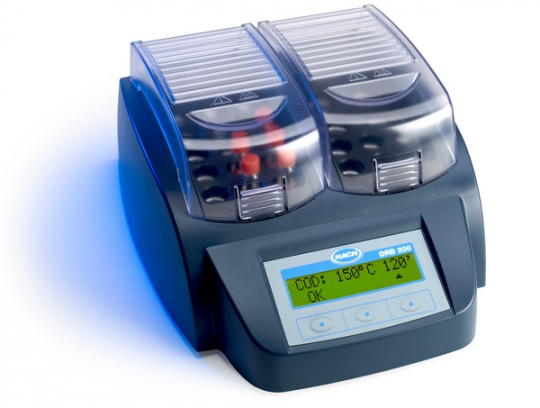 HACH
Digestor (digestor rápido de COD)
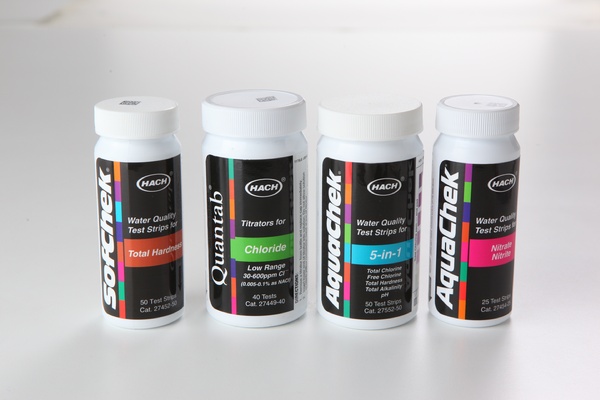 HACH
Serie de tiras reactivas para análisis de agua
 HACH
Analizador electroquímico multicanal
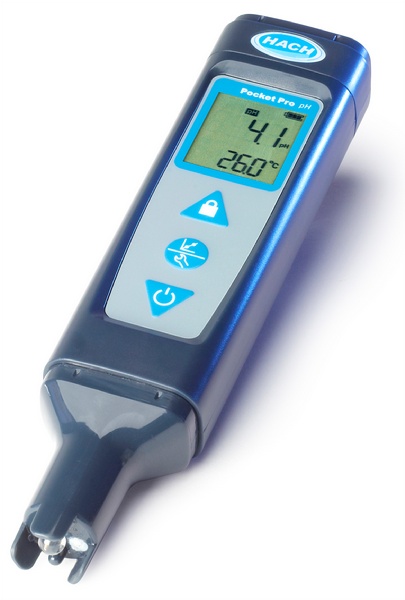 HACH
Medidor de bolsillo de agua Pro/Pro+
 HACH
Colorímetro de líquidos
 HACH
Analizador portátil de toxicidad del agua
 HACH
Valorador potenciométrico automático serie 1000
 HACH