
Application Industry:
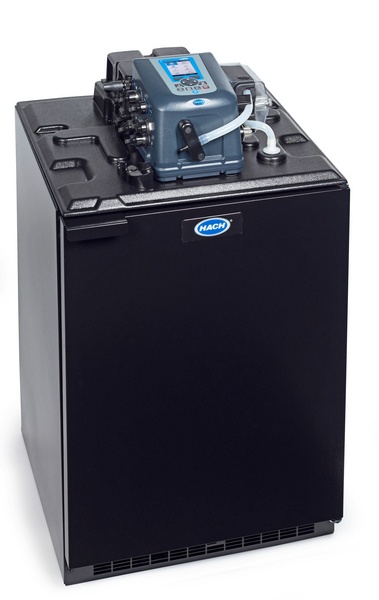
The American Sigma 950 series samplers include three designs: portable samplers, refrigerated samplers, and all-weather samplers. They are mainly used in wastewater sampling, specimen collection, industrial pretreatment sampling, environmental monitoring, stormwater sampling, and other industries.
Instrument Features:
-
1) Sampling made easy
-
The AS950 series samplers can be programmed with composite sampling routines and run automatically.
-
2) Convenient data transfer
-
The AS950 sampler is one of the few products on the market that can use USB to upload and download data and copy programs to another sampler.
-
3) Simple and intuitive operation
-
The AS950 sampler features an extra-large full-color display and an intuitive operating interface, allowing all programs in the menu to be displayed on the same screen without scrolling through menus, supporting error-free operation.
-
4) Easy maintenance and low cost
-
The AS950 sampler features a unique spring-loaded roller design that extends service life and reduces maintenance costs; the desiccant and pump tubing can be easily removed and replaced without any tools; and quick visual inspection is possible through the sturdy transparent pump cover.
-
5) Trustworthy sampling process
-
The program status screen displays alarm conditions, missed samples, and program progress in real time, making troubleshooting faster and easier.
-
6) Compact or discrete sampling can be switched on site
-
The AS950 portable sampler can quickly switch between composite sampling and discrete sampling during on-site operation.
Technical Specifications
Portable Sampler
-
Dual Program Up to two sampling programs can run sequentially, in parallel, or according to a weekly daily schedule, giving a single sampler multiple sampling capabilities
-
Sampling Mode "Sampling method: time-weighted, flow-weighted, time schedule, flow schedule, event-triggered
-
Distribution: Single-bottle composite sample, multi-bottle composite sample, multi-bottle discrete sample, single sample multi-bottle, single-bottle multi-sample, or a combination of single sample multi-bottle and single-bottle multi-sample"
-
Operating Mode Continuous or intermittent
-
Status Screen Displays program run steps, whether any samples were missed, when the next sample will be taken, number of remaining samples, number of recorded channels, time of last measurement, available memory, number of available channels, whether an alarm was triggered, alarm trigger interval, active sensors, cabinet temperature, etc.
-
Alarm Alarm information is displayed on the status screen and can also be recorded in the diagnostic alarm log. Alarms can be set as system diagnostic alarms and recorded alarms, such as program complete, sampling stopped, missed sample, and bottle full. Channel alarms are alarms for recorded measured values (channels), such as pH, level, and supply voltage
-
Manual Sampling Starts sampling independently of the sampling program currently in progress
-
Auto Shutdown "Multi-bottle mode: after the distribution arm has fully rotated (except when continuous mode is selected)
-
Composite mode: after the preset number of samples has been fully delivered to the composite container, with the sample count from 1 to 999, or bottle full"
-
Sample Volume Programmable in increments of 10 mL (0.34 oz), ranging from 10 to 10,000 mL (3.38 oz to 2.6 gal)
-
Sampling Interval "Selectable from 1 to 9,999 flow pulses per increment (momentary contact closure of about 25 ms or 5 to 12 VDC pulse; optional 4-20 mA interface), or from about 1 to 9,999 minutes in increments of about 1 minute"
-
Setpoint Sampling Trigger If a flow sensor or pH/temperature sensor or other external detection device is installed, sampling will be triggered after the set limit range is exceeded
-
Data Logging "Sample history: can store up to 4,000 records of various data, including sample timestamp, bottle number, and sample status (complete, bottle full, rinse error, user aborted, distribution arm error, pump failure, purge failure, sampling timeout, power failure, and main battery low)
-
Measurement: can store up to 325,000 records of selected measurement channel data, stored at the set logging interval
-
Event log: can store up to 2,000 records. Various data can be recorded, including power on, power failure, firmware update, pump failure, distribution arm error, memory battery low, main battery low, user open, user close, program start, program resume, program pause, program complete, grab sample, tubing requirement change, sensor communication error, cooling failure, heating failure, thermal error correction, etc."
-
Diagnostics Event and alarm logs can be viewed, as well as maintenance diagnostics
Refrigerated Sampler
-
Dual Program Up to two sampling programs can run sequentially, in parallel, or according to a weekly daily schedule, giving a single sampler multiple sampling capabilities
-
Sampling Mode "Sampling method: time-weighted, flow-weighted, time schedule, flow schedule, event-triggered
-
Distribution: single-bottle composite sample, multi-bottle composite sample, multi-bottle discrete sample, single sample multi-bottle, single-bottle multi-sample, or a combination of single sample multi-bottle and single-bottle multi-sample"
-
Operating Mode Continuous or intermittent
-
Status Screen "Displays program run steps, whether any samples were missed, when the next sample will be taken, number of remaining samples, number of recorded channels, time of last measurement, available memory, number of available channels, whether an alarm was triggered, alarm trigger interval, active sensors, cabinet temperature, etc."
-
Alarm "Alarm information is displayed on the status screen and can also be recorded in the diagnostic alarm log. Alarms can be set as system diagnostic alarms and recorded alarms, such as program complete, sampling stopped, missed sample, and bottle full. Channel alarms are alarms for recorded measured values (channels), such as pH, level, and supply voltage"
-
Manual Sampling Starts sampling independently of the sampling program currently in progress
-
Auto Shutdown "Multi-bottle mode: after the distribution arm has fully rotated (except when continuous mode is selected)
-
Composite mode: after the preset number of samples has been fully delivered to the composite container, with the sample count from 1 to 999, or bottle full"
-
Sample Volume Programmable in increments of 10 mL (0.34 oz), ranging from 10 to 10,000 mL (3.38 oz to 2.6 gal)
-
Sampling Interval "Selectable from 1 to 9,999 flow pulses per increment (momentary contact closure of about 25 ms or 5 to 12 VDC pulse; optional 4-20 mA interface), or from about 1 to 9,999 minutes in increments of about 1 minute"
-
Setpoint Sampling Trigger If a flow sensor or pH/temperature sensor or other external detection device is installed, sampling will be triggered after the set limit range is exceeded
-
Data Logging "Sample history: can store up to 4,000 records of various data, including sample timestamp, bottle number, and sample status (complete, bottle full, rinse error, user aborted, distribution arm error, pump failure, purge failure, sampling timeout, power failure, and main battery low)
-
Measurement: can store up to 325,000 records of selected measurement channel data, stored at the set logging interval
-
Event log: can store up to 2,000 records. Various data can be recorded, including power on, power failure, firmware update, pump failure, distribution arm error, memory battery low, main battery low, user open, user close, program start, program resume, program pause, program complete, grab sample, tubing requirement change, sensor communication error, cooling failure, heating failure, thermal error correction, etc."
-
Diagnostics Event and alarm logs can be viewed, as well as maintenance diagnostics
All-Weather Sampler
-
Dual Program Up to two sampling programs can run sequentially, in parallel, or according to a weekly daily schedule, giving a single sampler multiple sampling capabilities
-
Sampling Mode "Sampling method: time-weighted, flow-weighted, time schedule, flow schedule, event-triggered
-
Distribution: single-bottle composite sample, multi-bottle composite sample, multi-bottle discrete sample, single sample multi-bottle, single-bottle multi-sample, or a combination of single sample multi-bottle and single-bottle multi-sample"
-
Operating Mode Continuous or intermittent
-
Status Screen "Displays program run steps, whether any samples were missed, when the next sample will be taken, number of remaining samples, number of recorded channels, time of last measurement, available memory, number of available channels, whether an alarm was triggered, alarm trigger interval, active sensors, cabinet temperature, etc."
-
Alarm "Alarm information is displayed on the status screen and can also be recorded in the diagnostic alarm log. Alarms can be set as system diagnostic alarms and recorded alarms, such as program complete, sampling stopped, missed sample, and bottle full. Channel alarms are alarms for recorded measured values (channels), such as pH, level, and supply voltage"
-
Manual Sampling Starts sampling independently of the sampling program currently in progress
-
Auto Shutdown "Multi-bottle mode: after the distribution arm has fully rotated (except when continuous mode is selected)
-
Composite mode: after the preset number of samples has been fully delivered to the composite container, with the sample count from 1 to 999, or bottle full"
-
Sample Volume Programmable in increments of 10 mL (0.34 oz), ranging from 10 to 10,000 mL (3.38 oz to 2.6 gal)
-
Sampling Interval "Selectable from 1 to 9,999 flow pulses per increment (momentary contact closure of about 25 ms or 5 to 12 VDC pulse; optional 4-20 mA interface), or from about 1 to 9,999 minutes in increments of about 1 minute"
-
Setpoint Sampling Trigger If a flow sensor or pH/temperature sensor or other external detection device is installed, sampling will be triggered after the set limit range is exceeded
-
Data Logging "Sample history: can store up to 4,000 records of various data, including sample timestamp, bottle number, and sample status (complete, bottle full, rinse error, user aborted, distribution arm error, pump failure, purge failure, sampling timeout, power failure, and main battery low)
-
Measurement: can store up to 325,000 records of selected measurement channel data, stored at the set logging interval
-
Event log: can store up to 2,000 records. Various data can be recorded, including power on, power failure, firmware update, pump failure, distribution arm error, memory battery low, main battery low, user open, user close, program start, program resume, program pause, program complete, grab sample, tubing requirement change, sensor communication error, cooling failure, heating failure, thermal error correction, etc."
-
Diagnostics Event and alarm logs can be viewed, as well as maintenance diagnostics
Source: Public information from the HACH Water Quality website
Case Studies
Municipal Wastewater Treatment · Hach-lab — Application Case
Project Overview
The site is the inlet, biological and outlet stages of a municipal plant. The customer wanted Hach-lab properly configured on the existing plant, with the aim of laboratory colorimetric and titrimetric water analysis.
Technical Challenges
What actually causes trouble is high solids and corrosive fractions, with large diurnal flow swings, and effluent parameters drift and probes foul with sludge and biofilm. All of this means the Hach-lab configuration has to involve selected by method standard, sample throughput and reagent kit.
Configuration
Supply and installation were organised through the laboratory line: configuring around lab method standards and sample throughput. On site this meant selected by method standard, sample throughput and reagent kit, checked line by line against: stable compliance with Grade 1A discharge limits and online data reporting.
Performance
After commissioning the outcome is standardised methods that make data comparable between labs, and the readings are now used for process tuning.
Food & Beverage · Hach-lab — Application Case
Site Conditions
This is a Food & Beverage customer whose plant is at dosing, pasteurising, filling and CIP stages. The main task was laboratory colorimetric and titrimetric water analysis.
The Problem
The difficulty lies in syrups, dairy and beverages that scale easily, under strict hygienic requirements; at the same time frequent cleaning demands instruments that withstand hot CIP/SIP caustic cycles. Specification therefore means selected by method standard, sample throughput and reagent kit.
What We Did
We took a laboratory line approach — configuring around lab method standards and sample throughput. Delivery was built around selected by method standard, sample throughput and reagent kit, with point-by-point checks on: food-safety and hygienic design per 3-A / EHEDG.
Operating Outcome
In service the system performs as intended — standardised methods that make data comparable between labs, with routine maintenance falling noticeably.
Chemical & Pharmaceutical · Hach-lab — Application Case
Application Context
reactors, metering vessels and finished-product tanks is a typical Chemical & Pharmaceutical duty. The project started from Hach-lab, focusing on laboratory colorimetric and titrimetric water analysis.
Process Constraints
corrosion plus Ex protection shortens instrument life and makes downtime costly, and highly corrosive media with solvents and crystallisation, partly in explosive atmospheres only amplify it. The Hach-lab specification must therefore cover selected by method standard, sample throughput and reagent kit.
Delivery Approach
Delivery was handled as the laboratory line — configuring around lab method standards and sample throughput. Execution centred on selected by method standard, sample throughput and reagent kit, together with Ex certification and GMP traceability of records.
Field Results
Operation shows the benefit clearly — standardised methods that make data comparable between labs, with confidence in this measuring point improving markedly.
Power & Energy · Hach-lab — Application Case
Customer Profile
The typical setting in Power & Energy is boiler feedwater, turbine condensate and FGD/DeNOx systems. The measuring point is Hach-lab; the focus is laboratory colorimetric and titrimetric water analysis.
Key Difficulties
Conditions are high temperature and pressure with both steam and saline water and, on top of that, drift under high temperature and pressure, with very costly unplanned outages, which a standard configuration cannot handle for long. The design therefore starts with selected by method standard, sample throughput and reagent kit.
Implementation
The scope ran through the laboratory line: configuring around lab method standards and sample throughput. Technically it hinges on selected by method standard, sample throughput and reagent kit, and on these requirements: compliance with power-industry codes and unit availability targets.
Customer Benefit
In practice this means standardised methods that make data comparable between labs, which cut the workload on the site maintenance team.
Related Products
 HACH
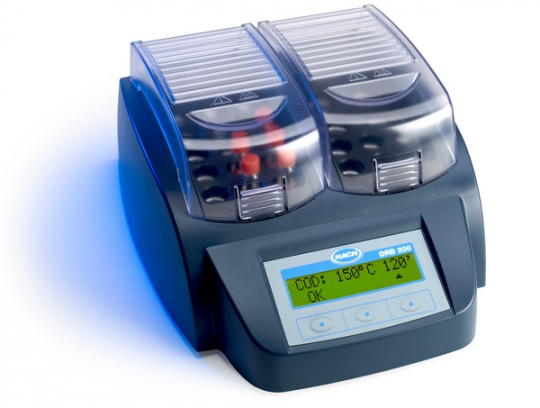
Digester (rapid COD digester)
 HACH
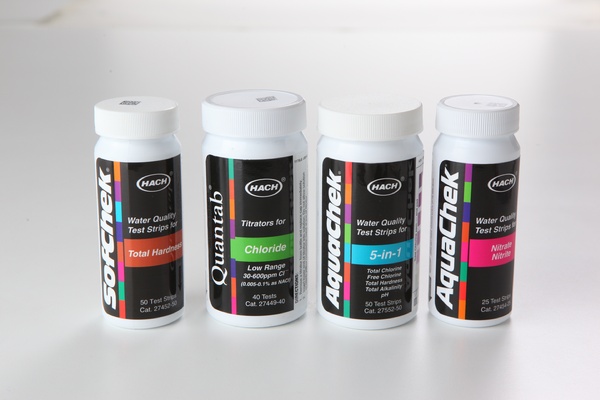
Water quality analysis test strip series
 HACH
Multi-channel electrochemical analyzer
 HACH
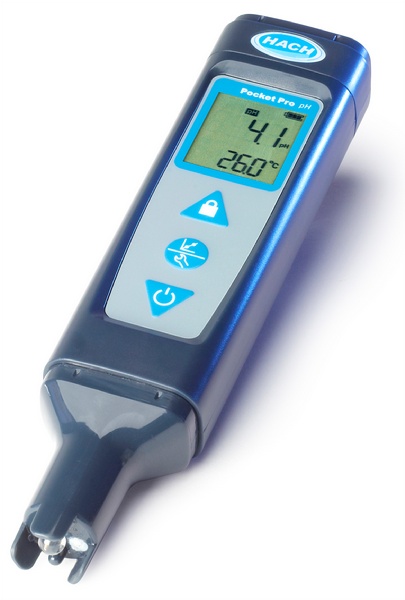
Pro/Pro+ pocket water tester
 HACH
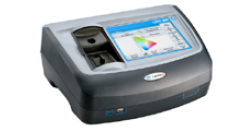
Liquid colorimeter
 HACH
Portable water toxicity analyzer
 HACH
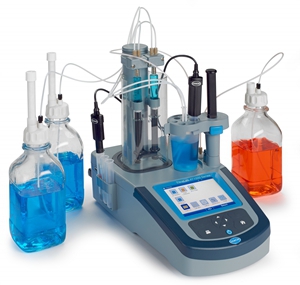
1000 series automatic potentiometric titrator
 HACH