
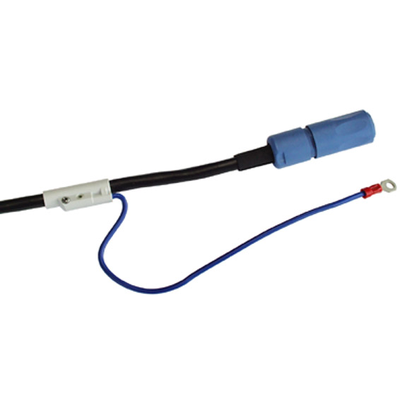
Technical Data
CompareDisinfection
| Measuring Principle | Total chlorine |
| Process temperature | Standard: -25°C ... 80°C (-9°F - 176°F) High temperature: 0°C ... 130°C (32°F - 266°F) |
ORP / Redox
| Measuring Principle | Sensor ORP / Redox |
| Application | Special high impedance measuring cable for pH/ORP measurements. |
| Installation | For electrodes with TOP68 plug-in head (ESA/ESB/ESS/HDA) and wire terminals. Potential Matching (PM)wire external with flat connector or internally. |
| Characteristic | - For pH/Redox-electrodes with and without temperature sensor.- Black for non-ex and Blue for ex-applications. |
| Measuring range | Insulation resistence (coax) : >100TeraOhm/mCapacitance (coax) : <100 pF/m |
| Design | TOP68 plug-in head for easy and safe exchange of electrodes with gold pin and IP68 thread. Designed for standard or high temperature applications. |
| Material | Cable sheat : Standard : PVC High temperature : TPEInner Conductor/control lines : copper, tin-coated. |
| Dimension | Diameter: 7,2mm |
| Process temperature | Standard: -25°C ... 80°C (-9°F - 176°F) High temperature: 0°C ... 130°C (32°F - 266°F) |
| Temperature sensor | For electrodes with and without temperature sensor |
| Ex certification | Yes (blue colored) |
| Ingress protection | IP68 |
Oxygen
| Measuring Principle | Amperometric oxygen measurement |
| Application | IP68 Plug-in-head measuring cable. |
| Installation | For sensors with TOP68 plug-in head. Wire terminals to connect to the transmitter. |
| Measuring range | Insulation resistence (coax) : >100TeraOhm/mCapacitance (coax) : <100 pF/m |
| Design | TOP68 plug-in head for easy and safe exchange of sensors with gold pin and IP68 thread. Designed for standard or high temperature applications. |
| Material | Cable sheat : Standard : PVC High temperature : TPEInner Conductor/control lines : copper, tin-coated. |
| Dimension | Diameter: 7,2mm |
| Process temperature | Standard: -25°C ... 80°C (-9°F - 176°F) High temperature: 0°C ... 130°C (32°F - 266°F) |
| Temperature sensor | For sensors with and without temperature sensor. |
pH
| Measuring Principle | Potentiometric |
| Application | Special high impedance measuring cable for pH/ORP measurements. |
| Installation | For electrodes with TOP68 plug-in head (ESA/ESB/ESS/HDA) and wire terminals. Potential Matching (PM) wire externally with flat connector or internally. |
| Characteristic | - for pH/redox electrodes with and without temperature sensor - black for non-ex and blue for ex-applications. |
| Measuring range | Insulation resistence (coax): >100TeraOhm/mCapacitance (coax): <100 pF/m |
| Design | TOP68 plug-in head for easy and safe exchange of electrodes with gold pin and IP68 thread. Designed for standard or high temperature applications. |
| Material | Cable sheat: Standard: PVC High temperature: TPEInner Conductor/control lines: copper, tin-coated. |
| Dimension | Diameter: 7,2 mm (0.28 inch) |
| Process temperature | Standard: -25°C ... 80°C (-9°F - 176°F) High temperature: 0°C ... 130°C (32°F - 266°F) |
| Temperature sensor | For electrodes with and without temperature sensor |
| Ex certification | Yes (blue colored) |
| Ingress protection | IP68 |
Application: Top68-plug head, IP68 MEMA6
1 Electrode plug.
Diameter: 7.2mm
Configurator / Comparison
Accessories/Spare parts
A
A
Source: Endress+Hauserpublic information from the website
Case Studies
Municipal Wastewater Treatment · PH — Application Case
Application Context
the inlet, biological and outlet stages of a municipal plant is a typical Municipal Wastewater Treatment duty. The project started from PH, focusing on continuous pH monitoring for neutralisation and compliance control.
Process Constraints
effluent parameters drift and probes foul with sludge and biofilm, and high solids and corrosive fractions, with large diurnal flow swings only amplify it. The PH specification must therefore cover choosing glass or ISFET sensors by temperature, fluoride content and pressure.
Delivery Approach
Delivery was handled as the analyser range — selecting as part of a complete water-analysis system. Execution centred on choosing glass or ISFET sensors by temperature, fluoride content and pressure, together with stable compliance with Grade 1A discharge limits and online data reporting.
Field Results
Operation shows the benefit clearly — tighter dosing control and lower reagent consumption, with confidence in this measuring point improving markedly.
Food & Beverage · PH — Application Case
Customer Profile
The typical setting in Food & Beverage is dosing, pasteurising, filling and CIP stages. The measuring point is PH; the focus is continuous pH monitoring for neutralisation and compliance control.
Key Difficulties
Conditions are syrups, dairy and beverages that scale easily, under strict hygienic requirements and, on top of that, frequent cleaning demands instruments that withstand hot CIP/SIP caustic cycles, which a standard configuration cannot handle for long. The design therefore starts with choosing glass or ISFET sensors by temperature, fluoride content and pressure.
Implementation
The scope ran through the analyser range: selecting as part of a complete water-analysis system. Technically it hinges on choosing glass or ISFET sensors by temperature, fluoride content and pressure, and on these requirements: food-safety and hygienic design per 3-A / EHEDG.
Customer Benefit
In practice this means tighter dosing control and lower reagent consumption, which cut the workload on the site maintenance team.
Chemical & Pharmaceutical · PH — Application Case
Project Background
The project covers reactors, metering vessels and finished-product tanks. The work centres on PH and the core task is continuous pH monitoring for neutralisation and compliance control.
Operating Challenges
The medium and duty are characterised by highly corrosive media with solvents and crystallisation, partly in explosive atmospheres, and corrosion plus Ex protection shortens instrument life and makes downtime costly. So PH cannot be specified generically — it calls for choosing glass or ISFET sensors by temperature, fluoride content and pressure.
Solution
The Ainstru engineering team worked through the analyser range: selecting as part of a complete water-analysis system. The configuration involves choosing glass or ISFET sensors by temperature, fluoride content and pressure, with these requirements in view: Ex certification and GMP traceability of records.
Results
Since start-up the system has run steadily; the practical result is tighter dosing control and lower reagent consumption.
Power & Energy · PH — Application Case
Project Overview
The site is boiler feedwater, turbine condensate and FGD/DeNOx systems. The customer wanted PH properly configured on the existing plant, with the aim of continuous pH monitoring for neutralisation and compliance control.
Technical Challenges
What actually causes trouble is high temperature and pressure with both steam and saline water, and drift under high temperature and pressure, with very costly unplanned outages. All of this means the PH configuration has to involve choosing glass or ISFET sensors by temperature, fluoride content and pressure.
Configuration
Supply and installation were organised through the analyser range: selecting as part of a complete water-analysis system. On site this meant choosing glass or ISFET sensors by temperature, fluoride content and pressure, checked line by line against: compliance with power-industry codes and unit availability targets.
Performance
After commissioning the outcome is tighter dosing control and lower reagent consumption, and the readings are now used for process tuning.
Related Products
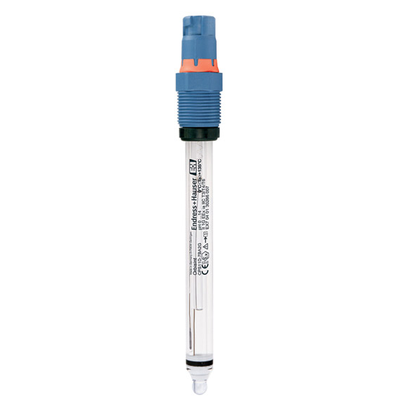 Endress+Hauser
Orbisint CPS11D Memosens
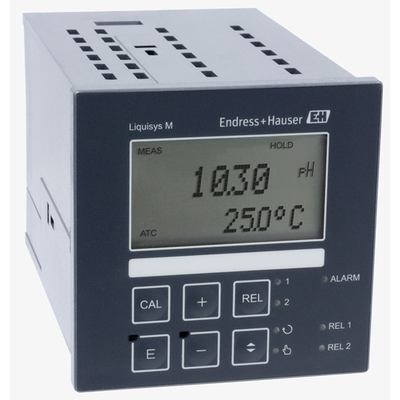 Endress+Hauser
Liquisys M CPM223
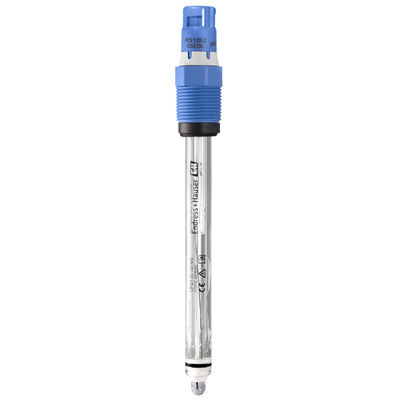 Endress+Hauser
Memosens CPS11E
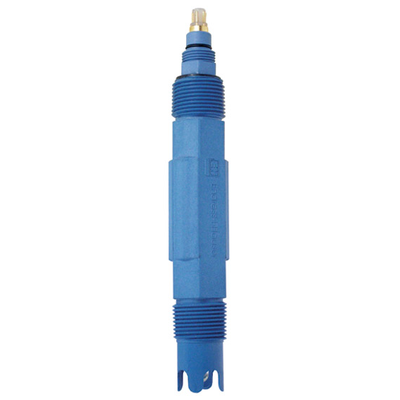 Endress+Hauser
Orbipac CPF81
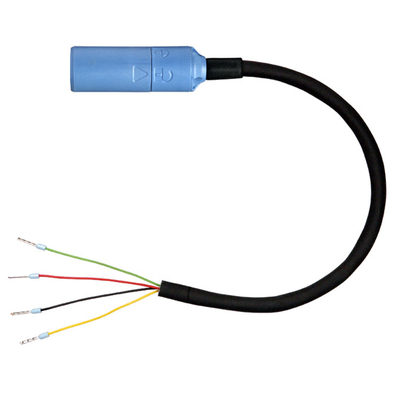 Endress+Hauser
Meas. cable CYK10 Memosens
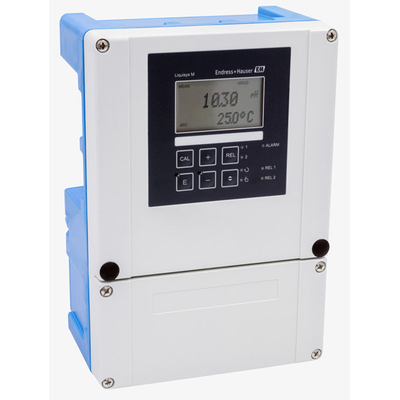 Endress+Hauser
Liquisys M CPM253
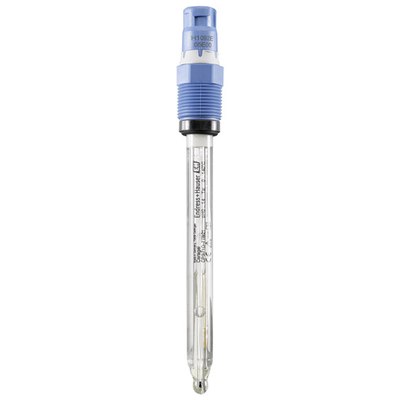 Endress+Hauser
Ceragel CPS71D Memosens
 Endress+Hauser