
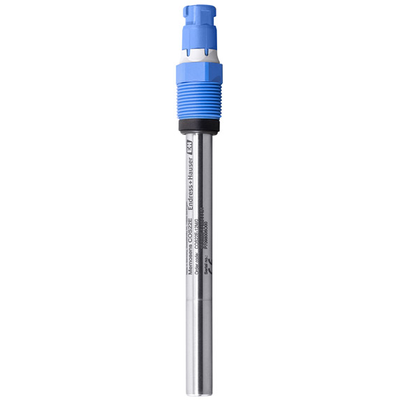
Technical Data
CompareOxygen
| Measuring Principle | Amperometric oxygen measurement |
| Application | Typical applications are: - Pharmaceuticals and biotechnology: process control in enzyme production, control of culture preparations . - Water treatment: boiler feed water, WFI (Water for Injection) - Residual oxygen measurement in processes |
| Characteristic | Digital hygienic amperometric oxygen sensor with maximum measurement stability over several sterilization cycles available in two measuring ranges |
| Measuring range | Standard sensor: 0 to 60 mg/l, 0 to 600 %SAT, 0 to 1200 hPa, 0 to 100 Vol% Trace sensor: 0 to 10 mg/l, 0 to 120 %SAT, 0 to 250 hPa, 0 to 25 Vol% |
| Material | Sensor shaft: Stainless steel 1.4435 (AISI 316L) Process seal: FKM (USP, Class VI and FDA) Process seal for Ex versions: FKM (not FDA compliant) Seals/O-rings: EPDM (USP, Class VI and FDA), FKM (FDA) Shaft sleeve: Stainless steel 1.4435 (AISI 316L) or Titanium or Hastelloy Membrane cover layer: Silicone (USP, Class VI and FDA) |
| Dimension | Diameter: 12 mm (0.47 inch) Shaft length: 120, 160, 220, 320, 420 mm (4.72, 6.30, 8.66, 12.60 und 16.54 inch) |
| Process temperature | -5 to 135 °C (23 to 275 °F) |
| Process pressure | 1 to 12 bar abs (14.5 to 174 psi) |
| Temperature sensor | NTC 22k |
| Connection | Inductive, contactless connection head with Memosens 2.0 technology |
| Ingress protection | IP68 |
| Certificates, declarations and approvals | Inspection certificate 3.1, EN10204 Surface roughness test ISO4287/Ra (≤ 0,38 µm) Conformity to cGMP derived requirements ASME BPE US Food Contact Materials FDA CFR 21 EU Food Contact Materials (EG) 1935/2004 CN Food Contact Materials GB 4806 EHEDG EL Class I |
Field of application
The Memosens COS22E fully complies with FDA and USP certification requirements and is suitable for sterile hygienic applications. The sensor requires little maintenance, offers high long-term stability and withstands frequent sterilization processes. The sensor can be used for trace oxygen measurement, ensuring the safety of products, processes and installations against oxygen interference. The COS22E uses Memosens 2.0 digital technology, supports an extended memory unit for storing calibration and process parameters, and is the perfect basis for implementing predictive maintenance and advancing IIoT technology.
The Oxymax COS22E is installed in critical processes in various industries for dissolved oxygen measurement:
Life sciences and biotechnology: fermentation process control
Food and beverage industry
Water treatment: boiler feed water
Inertization processes
Residual dissolved oxygen measurement
International explosion protection certification, the digital sensor can be used in hazardous areas.
Advantages
Low maintenance effort: modular sensor design for fast replacement of the membrane cap and electrolyte.
Fully compliant with the relevant hygiene standards, ensuring product safety.
High-precision measurement, guaranteeing optimum product quality.
The sensor can measure in hazardous areas.
Supports IIoT: Memosens 2.0 supports extended data storage to save calibration and process parameters for better trend identification, and is the perfect basis for implementing predictive maintenance and advancing IIoT technology.
Higher plant availability: Memosens technology with Liquiline transmitters, plug-and-play sensors, fast sensor commissioning and replacement.
Spare Parts & Accessories 4
4 spare parts · click to collapse
| Order code | Description | |
|---|---|---|
| 50001041 | DO/Chlorine Sensor Zero-Point Calibration PowderChemical producing water free of oxygen or chlorine for test purposes. | Details |
| 51500832 | Terminal box RMto lengthen the cable for Memosens/CUS31/41. Protection class IP 65, with 2x Pg 13.5 | Details |
| COS22Z- | Dissolved Oxygen Maintenance Kit COS22ZService Kit, COS22, COS22D und COS22E | Enquire |
| COY8- | Zero-Point Gel COY8Zero point: Verification, calibration, adjustment at zero point of oxygen and disinfection sensors ::Amperometric and optical sensors ::12, 25 and 40mm diameter ::Application in the lab, in the field | Enquire |
Configurator / Comparison
Measuring principle video
 Click to play
Source:Endress+Hauserpublic information from the website
Manuals & Documents 4
All documents for this modelCase Studies
Municipal Wastewater Treatment · dissolved oxygen — Application Case
Site Conditions
This is a Municipal Wastewater Treatment customer whose plant is at the inlet, biological and outlet stages of a municipal plant. The main task was measuring dissolved oxygen for biological processes and deaeration control.
The Problem
The difficulty lies in high solids and corrosive fractions, with large diurnal flow swings; at the same time effluent parameters drift and probes foul with sludge and biofilm. Specification therefore means choosing membrane or optical sensors by basin depth and cleaning method.
What We Did
We took a analyser range approach — selecting as part of a complete water-analysis system. Delivery was built around choosing membrane or optical sensors by basin depth and cleaning method, with point-by-point checks on: stable compliance with Grade 1A discharge limits and online data reporting.
Operating Outcome
In service the system performs as intended — blowing follows oxygen demand, cutting aeration power noticeably, with routine maintenance falling noticeably.
Food & Beverage · dissolved oxygen — Application Case
Application Context
dosing, pasteurising, filling and CIP stages is a typical Food & Beverage duty. The project started from dissolved oxygen, focusing on measuring dissolved oxygen for biological processes and deaeration control.
Process Constraints
frequent cleaning demands instruments that withstand hot CIP/SIP caustic cycles, and syrups, dairy and beverages that scale easily, under strict hygienic requirements only amplify it. The dissolved oxygen specification must therefore cover choosing membrane or optical sensors by basin depth and cleaning method.
Delivery Approach
Delivery was handled as the analyser range — selecting as part of a complete water-analysis system. Execution centred on choosing membrane or optical sensors by basin depth and cleaning method, together with food-safety and hygienic design per 3-A / EHEDG.
Field Results
Operation shows the benefit clearly — blowing follows oxygen demand, cutting aeration power noticeably, with confidence in this measuring point improving markedly.
Chemical & Pharmaceutical · dissolved oxygen — Application Case
Customer Profile
The typical setting in Chemical & Pharmaceutical is reactors, metering vessels and finished-product tanks. The measuring point is dissolved oxygen; the focus is measuring dissolved oxygen for biological processes and deaeration control.
Key Difficulties
Conditions are highly corrosive media with solvents and crystallisation, partly in explosive atmospheres and, on top of that, corrosion plus Ex protection shortens instrument life and makes downtime costly, which a standard configuration cannot handle for long. The design therefore starts with choosing membrane or optical sensors by basin depth and cleaning method.
Implementation
The scope ran through the analyser range: selecting as part of a complete water-analysis system. Technically it hinges on choosing membrane or optical sensors by basin depth and cleaning method, and on these requirements: Ex certification and GMP traceability of records.
Customer Benefit
In practice this means blowing follows oxygen demand, cutting aeration power noticeably, which cut the workload on the site maintenance team.
Power & Energy · dissolved oxygen — Application Case
Project Background
The project covers boiler feedwater, turbine condensate and FGD/DeNOx systems. The work centres on dissolved oxygen and the core task is measuring dissolved oxygen for biological processes and deaeration control.
Operating Challenges
The medium and duty are characterised by high temperature and pressure with both steam and saline water, and drift under high temperature and pressure, with very costly unplanned outages. So dissolved oxygen cannot be specified generically — it calls for choosing membrane or optical sensors by basin depth and cleaning method.
Solution
The Ainstru engineering team worked through the analyser range: selecting as part of a complete water-analysis system. The configuration involves choosing membrane or optical sensors by basin depth and cleaning method, with these requirements in view: compliance with power-industry codes and unit availability targets.
Results
Since start-up the system has run steadily; the practical result is blowing follows oxygen demand, cutting aeration power noticeably.
Related Products
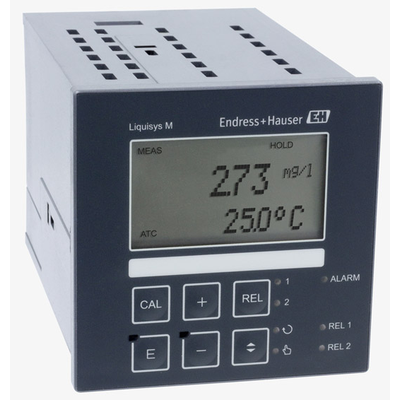 Endress+Hauser
Liquisys M COM223
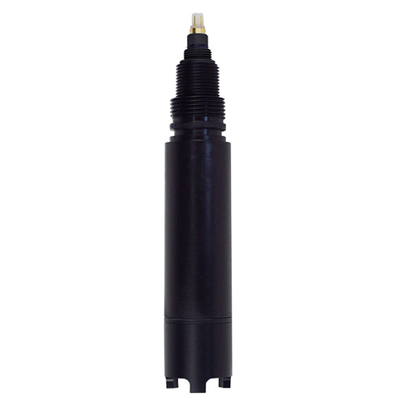 Endress+Hauser
Oxymax W COS41
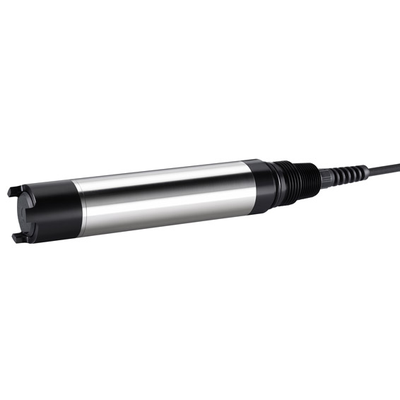 Endress+Hauser
Oxymax COS61D
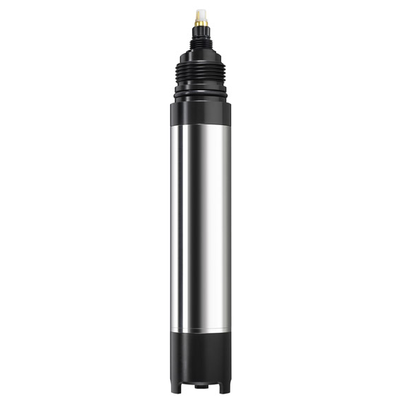 Endress+Hauser
Oxygen sensor OXYMAX-W COS61
 Endress+Hauser
Dissolved oxygen sensor
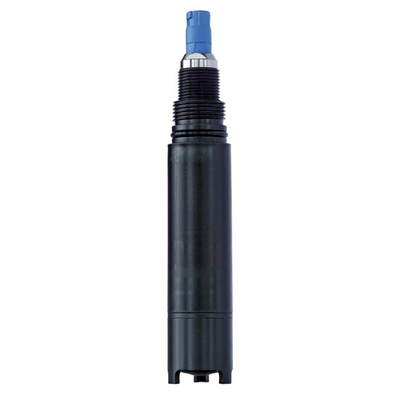 Endress+Hauser
Oxymax W COS51D
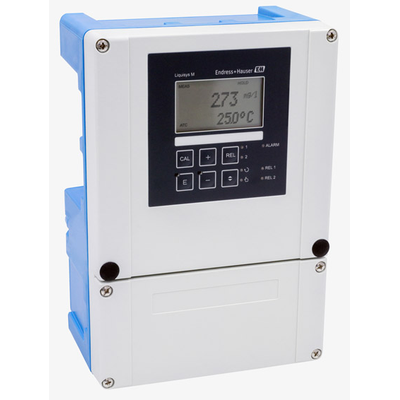 Endress+Hauser
Liquisys M COM253
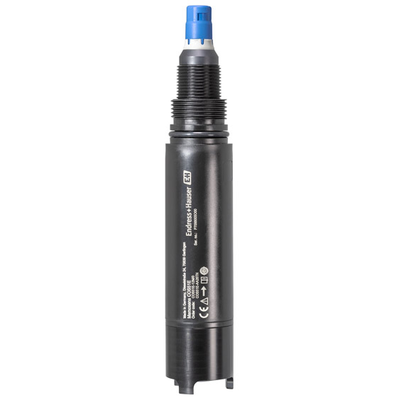 Endress+Hauser